
Iran confirms no nuclear talks underway amid US tensions
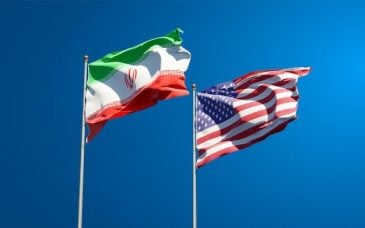
Iran has confirmed that no nuclear negotiations are currently underway with the United States, signaling a deepening diplomatic impasse amid escalating regional tensions. This stalemate raises concerns about geopolitical stability and could have ripple effects on global markets, including cryptocurrency volatility tied to oil prices and sanctions-related economic disruptions.
The breakdown in US-Iran nuclear diplomacy represents a critical juncture in Middle Eastern geopolitics. Iran's explicit confirmation that talks have stalled eliminates any lingering hope for near-term diplomatic resolution, suggesting both parties have hardened their positions. This development occurs within a broader context of rising US-Iran tensions, including military posturing, sanctions enforcement, and regional proxy conflicts that have characterized the relationship since the 2018 US withdrawal from the Joint Comprehensive Plan of Action (JCPOA).
Historically, periods of escalated US-Iran tensions have triggered oil price volatility, which indirectly affects cryptocurrency markets through macroeconomic uncertainty and inflation concerns. When geopolitical risk premiums spike, investors often reassess their asset allocation strategies, sometimes rotating toward alternative assets like Bitcoin as a hedge against currency devaluation and economic instability. Additionally, US sanctions regimes targeting Iran create secondary effects on cryptocurrency adoption—sanctions-affected entities increasingly explore decentralized finance and crypto-to-crypto transactions to circumvent traditional financial restrictions.
For crypto markets specifically, prolonged geopolitical uncertainty can increase volatility while simultaneously strengthening long-term demand for censorship-resistant assets. Energy-intensive regions under sanctions pressure, including parts of Iran, have shown elevated crypto mining and trading activity despite regulatory headwinds. Traders should monitor oil price movements as a leading indicator for broader risk sentiment.
The path forward depends on whether either side signals willingness to resume diplomatic engagement or whether escalation accelerates. Persistent stalemate could sustain elevated geopolitical risk premiums that create both headwinds and opportunities across cryptocurrency and traditional markets.
- →Iran confirms nuclear talks with the US remain suspended, deepening diplomatic uncertainty.
- →Geopolitical tensions typically correlate with oil price volatility and broader macroeconomic uncertainty.
- →Crypto markets may experience increased volatility as investors reassess risk exposure amid geopolitical instability.
- →Sanctions regimes drive adoption of decentralized finance solutions in affected regions.
- →Oil price movements serve as a key indicator for broader market sentiment and risk appetite.