
Iran faces oil crisis as US sanctions tighten amid rising tensions
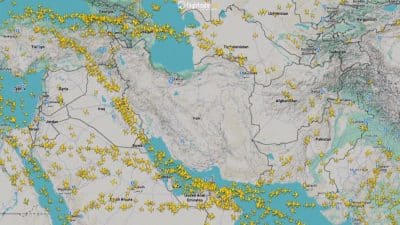
U.S. sanctions on Iran are intensifying, creating an oil supply crisis that threatens regional stability and reverberates through global energy markets. The tightened restrictions could reshape geopolitical alliances and influence commodity prices, with potential spillover effects on broader macroeconomic conditions affecting cryptocurrency and digital asset markets.
Escalating U.S. sanctions against Iran represent a significant geopolitical flashpoint with direct implications for global energy infrastructure. The tightening of restrictions targets Iran's oil exports, a critical revenue source, forcing the nation into economic isolation and limiting its ability to participate in international commerce. This development matters because energy markets remain deeply intertwined with macroeconomic stability, influencing inflation expectations, central bank policies, and risk asset valuations.
Historically, sanctions regimes against major oil producers have created supply constraints that trigger price volatility. Iran's previous sanctions cycles demonstrated how geopolitical friction translates into energy shocks. The current escalation builds on years of tension following the 2015 nuclear deal withdrawal, creating a pattern of deepening economic pressure. Regional actors, including Russia and China, may increase support to Iran as a counterbalance to U.S. influence, further fragmenting the global order.
For crypto and digital asset investors, geopolitical crises typically drive flight-to-safety dynamics that can either support or suppress risk assets depending on broader market conditions. Energy price spikes increase inflation concerns, potentially keeping interest rates elevated longer—a headwind for high-growth sectors including cryptocurrency. Conversely, sanctions regimes often motivate nations toward alternative financial systems, potentially increasing cryptocurrency adoption as a sanctions-evasion tool. The resulting market uncertainty creates volatility that sophisticated traders monitor closely.
The trajectory depends on whether sanctions escalate further or stabilize. Investors should watch for oil price movements, statements from regional powers, and any cryptocurrency adoption announcements from sanctioned nations seeking alternatives to traditional banking systems.
- →Tightened U.S. sanctions on Iran threaten global oil supplies and regional stability.
- →Energy market disruptions can influence inflation expectations and monetary policy decisions affecting all risk assets.
- →Geopolitical crises may accelerate cryptocurrency adoption in sanctioned countries seeking financial alternatives.
- →Oil price volatility from sanctions creates macroeconomic uncertainty affecting crypto valuations.
- →Regional powers may deepen ties with Iran, fragmenting the global financial order further.