
Iran resumes crude oil loadings from Kharg Island after US Navy blockade lifted
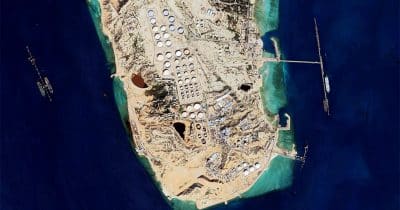
Iran has resumed crude oil exports from Kharg Island following the lifting of a US Navy blockade, potentially destabilizing global oil markets. The development raises concerns about cryptocurrency's potential role in facilitating sanctions evasion, attracting regulatory attention from authorities monitoring illicit financial flows.
Iran's resumption of oil exports from Kharg Island marks a significant shift in Middle Eastern geopolitics with direct implications for global commodity markets and cryptocurrency regulation. The lifting of the US Navy blockade removes a critical constraint on Iranian crude production, allowing the nation to resume loading operations that had been suspended due to maritime tensions. This development carries substantial weight because it affects multiple interconnected systems: global oil supply dynamics, US-Iran relations, and increasingly, the cryptocurrency ecosystem's role in sanctions circumvention.
The blockade's removal reflects broader geopolitical realignment in the region, potentially signaling reduced US enforcement of maximum pressure sanctions on Iran's oil sector. Historically, such restrictions have driven sanctioned entities toward alternative payment mechanisms, including cryptocurrency and blockchain-based solutions that obscure transaction trails. Financial institutions barred from the Swift system have explored digital assets as workarounds, creating regulatory pressure on exchanges and cryptocurrency platforms.
For crypto markets, this event carries nuanced implications. While increased Iranian oil exports should theoretically reduce global crude prices and decrease inflationary pressures favoring Bitcoin as a hedge, the sanctions evasion angle creates headwinds. Regulators globally are intensifying scrutiny of cryptocurrency's role in circumventing sanctions, potentially leading to stricter compliance requirements, enhanced KYC procedures, and possible delisting of privacy-focused tokens. Exchanges operating in jurisdictions with strong sanctions enforcement face heightened compliance costs.
Investors should monitor regulatory responses from the US Treasury, OFAC, and international authorities. The intersection of geopolitical shifts and crypto regulation will likely drive policy announcements affecting exchange operations and token valuations tied to sanctioned jurisdictions.
- →Iran's resumption of crude oil exports may destabilize global oil prices and increase regulatory scrutiny on cryptocurrency's sanctions evasion potential
- →Sanctioned entities have historically used cryptocurrency to bypass financial restrictions, creating compliance pressure on digital asset platforms
- →Regulators are likely to strengthen KYC and AML requirements on exchanges in response to geopolitical sanctions concerns
- →The lifting of maritime blockades reflects shifting US enforcement posture, potentially influencing how authorities approach crypto-facilitated sanctions evasion
- →Traders should anticipate regulatory announcements affecting exchanges' compliance obligations and potential delisting pressures on privacy tokens