
Iran oil storage nears capacity amid US blockade, impacting global supply
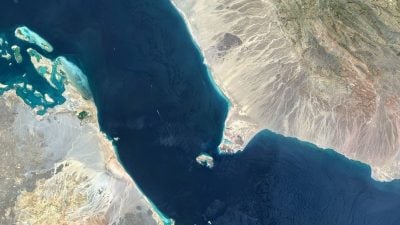
Iran's oil storage facilities are approaching maximum capacity due to US sanctions and blockades, forcing the country to consider production cuts. This supply constraint could tighten global oil markets and potentially increase crude prices, creating ripple effects across energy-dependent economies and commodity markets.
Iran faces a critical infrastructure challenge as its oil storage nears full capacity amid sustained US sanctions and blockade measures. The country's inability to export oil at normal volumes has created a supply bottleneck, leaving refineries and storage terminals with limited operational flexibility. This situation stems from years of escalating geopolitical tensions and international sanctions that have progressively isolated Iran's energy sector from global markets.
Historically, Iran has been a significant global oil producer, and any disruption to its supply chain reverberates through international energy markets. The current storage crisis represents a natural consequence of sanctions-driven export restrictions that prevent the normal flow of crude through traditional distribution channels. As storage reaches saturation, Iran must either reduce production or seek alternative markets, both options carrying economic costs.
For global markets, this situation introduces upward pressure on oil prices at a time when energy markets remain sensitive to supply shocks. Higher oil prices benefit petroleum-exporting nations while increasing costs for energy importers and manufacturers. Cryptocurrency and blockchain markets typically respond to broader macroeconomic pressures; sustained oil price increases can drive inflation concerns that affect investor risk appetite across asset classes, including digital assets.
The immediate trajectory depends on whether Iran successfully negotiates sanctions relief or develops new export infrastructure. Any diplomatic breakthrough could rapidly increase global supply and ease price pressures. Conversely, continued blockade tightening could force deeper production cuts, maintaining supply constraints and supporting elevated energy prices.
- →Iran's storage capacity is nearly full due to US sanctions limiting oil exports globally.
- →Production cuts may become necessary if storage continues filling, constraining global supply.
- →Higher oil prices could result from reduced Iranian output affecting energy-dependent economies.
- →Geopolitical tensions around Iran sanctions remain a key factor in commodity market volatility.
- →Broader economic impacts from energy inflation could influence cryptocurrency market sentiment and valuations.