
Iran to reopen Strait of Hormuz to shipping amid Israel-Lebanon ceasefire
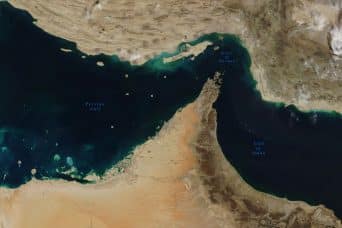
Iran announced plans to reopen the Strait of Hormuz to shipping following an Israel-Lebanon ceasefire agreement, a move aimed at de-escalating regional tensions. However, broader trade normalization remains contingent on the United States reversing its economic blockade policies against Iran.
The reopening of the Strait of Hormuz represents a significant shift in Middle Eastern geopolitical dynamics, with direct implications for global energy markets and cryptocurrency trading patterns. The waterway serves as a critical chokepoint for approximately 20% of global oil trade, making its operational status crucial for energy price stability. Iran's decision to restore shipping access follows the Israel-Lebanon ceasefire, suggesting de-escalation efforts in a region that has experienced heightened military tensions throughout 2024.
Historically, disruptions to the Strait of Hormuz have triggered substantial volatility across commodity and crypto markets. Previous tensions in the region prompted investors to seek safe-haven assets, benefiting gold and certain cryptocurrencies. The reopening could reverse these flight-to-safety dynamics by reducing geopolitical risk premiums embedded in energy prices and, subsequently, broader market valuations.
For cryptocurrency markets specifically, regional stability typically correlates with reduced macro uncertainty, which can shift investor capital away from volatility hedges like Bitcoin toward riskier assets. However, the article emphasizes that full normalization depends on U.S. policy changes regarding sanctions. This conditionality introduces uncertainty—markets may price in only partial benefit until American policy shifts materially.
Looking ahead, traders should monitor three critical indicators: official U.S. statements on Iran sanctions policy, actual shipping volumes through the Strait, and energy price movements. If the Biden administration or its successor maintains current blockade policies, the geopolitical relief may prove temporary and incomplete. Conversely, unexpected sanctions relief could trigger significant reallocation across risk assets, including cryptocurrencies.
- →Iran's Strait of Hormuz reopening follows Israel-Lebanon ceasefire, signaling potential de-escalation in Middle Eastern tensions.
- →Full trade normalization with Iran remains conditional on United States reversing its existing economic blockade.
- →Strait of Hormuz disruptions historically correlate with commodity volatility and cryptocurrency flight-to-safety trading patterns.
- →Regional stability reduction could shift investor capital away from safe-haven assets toward riskier alternatives.
- →U.S. policy stance on Iranian sanctions will determine whether this relief remains temporary or catalyzes sustained market repricing.