
Iran orders Indian ship to halt in Strait of Hormuz escalation
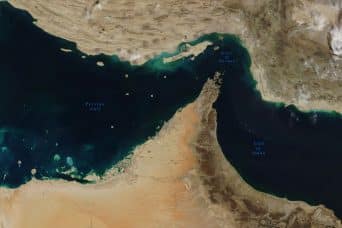
Iran ordered an Indian ship to halt in the Strait of Hormuz, escalating geopolitical tensions in a critical global shipping corridor. This action threatens to disrupt international trade routes and energy markets, with potential ripple effects across commodities and financial markets.
Iran's directive to an Indian vessel represents a significant escalation in maritime tensions within the Strait of Hormuz, one of the world's most strategically important waterways. Approximately 21% of global petroleum trade passes through this narrow channel, making any disruption consequential for energy prices and broader economic stability. The incident signals increased Iranian assertiveness in regional affairs, likely motivated by geopolitical disputes and sanctions pressure.
The Strait of Hormuz has long been a flashpoint for regional conflicts, with recurring incidents involving naval interdictions and ship seizures. Iran's history of targeting commercial vessels during periods of heightened tensions reflects its strategy of using maritime leverage as a negotiating tool. This particular escalation occurs amid broader Middle East instability and international sanctions regimes affecting Iran's economy and oil exports.
For cryptocurrency and financial markets, geopolitical crises typically trigger flight-to-safety dynamics. Energy price spikes resulting from supply chain disruptions tend to increase inflationary pressures, influencing central bank policy and affecting risk asset valuations including cryptocurrencies. Oil price volatility directly impacts macro conditions that investors monitor when allocating between traditional and digital assets. Additionally, sanctions-related developments influence blockchain adoption in sanctioned jurisdictions seeking alternative financial infrastructure.
Market participants should monitor escalation indicators including additional ship seizures, formal diplomatic responses from major trading nations, and oil price movements. Extended disruptions could trigger strategic petroleum reserve releases and geopolitical risk premiums across commodities, ultimately influencing broader portfolio positioning and macro volatility.
- →Iran ordered an Indian ship to halt in the Strait of Hormuz, escalating regional maritime tensions.
- →The Strait of Hormuz carries 21% of global petroleum trade, making disruptions economically significant.
- →Geopolitical crises typically trigger energy price volatility and flight-to-safety dynamics in financial markets.
- →Extended shipping disruptions could increase inflationary pressures and influence cryptocurrency market sentiment.
- →Investors should monitor escalation indicators and oil price movements for broader macro implications.