
Iranian President Pezeshkian reportedly resigns, citing IRGC dominance over government
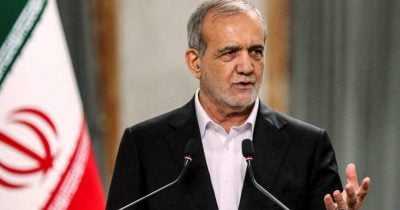
Iranian President Pezeshkian has reportedly resigned due to Iranian Revolutionary Guard Corps (IRGC) dominance over government functions. His departure could intensify IRGC control, potentially leading to stricter sanctions enforcement and increased regulatory scrutiny of cryptocurrency activities within Iran.
Pezeshkian's reported resignation marks a significant shift in Iran's political power dynamics, with the IRGC consolidating control over state institutions. The IRGC has long wielded substantial influence over Iran's economy and military affairs, but increased direct governance authority could reshape how the nation's financial systems operate, including digital asset regulation. This transition occurs against a backdrop of international sanctions that have historically driven Iran toward alternative financial mechanisms, including cryptocurrency adoption for sanctions evasion and cross-border transactions.
Historically, Iran has explored crypto as a workaround to circumvent SWIFT restrictions and U.S.-led financial isolation. The IRGC's documented involvement in cryptocurrency seizures and mining operations suggests the organization views digital assets as both a financial opportunity and a security concern. With strengthened control, the IRGC may pursue more aggressive enforcement against unauthorized crypto activities while potentially expanding state-controlled digital asset initiatives.
For the cryptocurrency market and investors, heightened IRGC dominance presents conflicting pressures. Increased sanctions enforcement could tighten crypto flows from Iran, potentially reducing certain trading volumes and remittance corridors. Simultaneously, the organization may formalize crypto policies to better monitor and tax digital asset transactions. International exchanges and compliance teams should anticipate stricter sanctions screening for Iran-linked addresses and transactions, while regional crypto adoption patterns may shift toward either decentralized solutions or state-approved digital currencies.
- →Pezeshkian's resignation consolidates IRGC control over Iranian government and economic policy
- →Heightened IRGC authority likely increases enforcement against unauthorized cryptocurrency activities
- →Stricter international sanctions and financial scrutiny on Iran-crypto transactions expected
- →Crypto exchanges must enhance compliance protocols for Iran-linked accounts and transfers
- →Iran may shift toward state-controlled digital assets or formalized crypto taxation frameworks