
Iran proposes reopening Strait of Hormuz, impacting oil prices
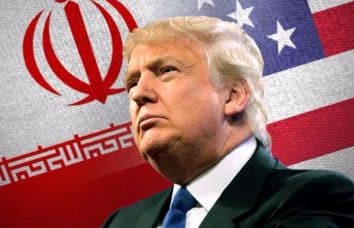
Iran has proposed reopening the Strait of Hormuz, a critical chokepoint for global oil transport. The proposal could stabilize oil markets, reduce geopolitical tensions, and ease economic volatility that typically impacts cryptocurrency and broader financial markets.
Iran's proposal to reopen the Strait of Hormuz addresses one of the most strategically important waterways in global energy markets. The strait channels approximately 21% of world petroleum trade, making its operational status a key determinant of oil price stability. Disruptions or threats to shipping through this passage have historically triggered sharp commodity price spikes that reverberate across cryptocurrency markets, particularly affecting assets correlated with macroeconomic conditions and inflation expectations.
This diplomatic initiative emerges from ongoing regional tensions and sanctions regimes that have periodically disrupted or threatened strait operations. Previous confrontations between Iran and Western naval forces have spooked energy markets, driving oil prices higher and contributing to inflationary pressures that influence central bank policy and interest rate expectations. Crypto markets typically respond bearishly to oil price shocks due to their correlation with risk-off sentiment and macroeconomic uncertainty.
A successful reopening could meaningfully reduce geopolitical risk premiums embedded in oil prices, potentially stabilizing crude around lower levels. This has direct implications for crypto investors, as reduced energy market volatility typically correlates with improved risk appetite and reduced macro uncertainty. Lower oil prices also ease inflation concerns, potentially tempering aggressive monetary policy expectations that have historically pressured cryptocurrency valuations.
Market participants should monitor whether Iran's proposal gains diplomatic traction or faces rejection from Western stakeholders. Successful implementation could signal a broader deescalation in Middle East tensions, while failure might trigger renewed price volatility in energy and crypto markets.
- →Iran's strait proposal aims to stabilize global oil markets by reducing geopolitical disruption risks.
- →Oil price stability typically reduces macro uncertainty and improves conditions for risk assets like cryptocurrency.
- →The Strait of Hormuz handles roughly 21% of global petroleum trade, making its security a systemic concern.
- →Successful reopening could signal broader regional deescalation and reduced inflation pressures.
- →Crypto markets remain sensitive to oil price shocks due to macro correlation and central bank policy implications.