
Tehran protests continue as military presence grows in UAE amid Iran tensions
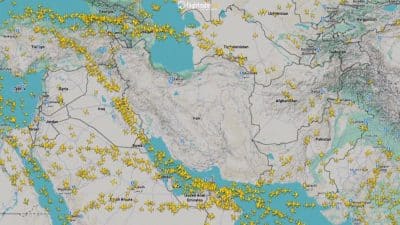
Tehran experiences ongoing protests while the UAE witnesses increased military buildup amid escalating Iran tensions. These developments could destabilize regional security and have broader geopolitical implications that may affect global markets and cryptocurrency volatility.
The convergence of domestic unrest in Iran and military reinforcement in the UAE signals intensifying regional tensions with potential ripple effects across global markets. Tehran's sustained protests reflect underlying political and social instability, while simultaneous military expansion in the UAE suggests preparation for potential escalation. This dual pressure creates an unpredictable security environment in a strategically critical region that influences energy markets and international relations.
Historically, Iran-UAE tensions have fluctuated between cooperation and confrontation, shaped by disputes over maritime boundaries, regional influence, and ideological differences. The current trajectory mirrors previous periods of heightened military posturing, though the combination of internal Iranian instability and external military preparation represents a distinct risk profile. These dynamics emerge within broader Middle Eastern tensions involving multiple state actors and proxy forces.
For cryptocurrency and digital asset markets, geopolitical volatility in energy-critical regions typically correlates with broader macro uncertainty. Investors monitor such developments as indicators of potential oil price shocks, currency devaluation pressures, and flight-to-safety capital movements that can influence crypto demand. Institutional investors often increase hedging positions during regional crises, and Bitcoin occasionally benefits from portfolio diversification strategies during geopolitical stress.
Market participants should track escalation indicators including military deployment announcements, protest scale, and international diplomatic responses. If tensions trigger energy market disruptions or currency instability in affected economies, corresponding impacts on risk appetite and volatility indices could affect cryptocurrency trading patterns and institutional allocation decisions.
- →Tehran protests combined with UAE military buildup represent escalating regional instability with geopolitical significance.
- →Historical Iran-UAE tensions context suggests current developments follow established patterns of diplomatic friction.
- →Geopolitical crises in energy-critical regions can trigger macro uncertainty affecting cryptocurrency market volatility.
- →Investors monitor such developments as potential catalysts for flight-to-safety moves and portfolio rebalancing.
- →Market impact depends on escalation pace and international response rather than current protest scale alone.