
Iran regime strained 100 days post-protests, traders skeptical of quick change
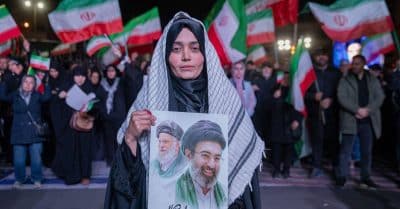
Iran's political landscape remains unstable 100 days after major protests, yet cryptocurrency traders and market observers expect regime change to occur gradually rather than suddenly. The prolonged timeline reflects skepticism about immediate transformation despite visible strain on the current government, signaling cautious sentiment among those monitoring geopolitical risk in crypto markets.
The Iranian political situation represents a critical intersection of geopolitical instability and cryptocurrency market sentiment. A century of unrest demonstrates deep structural challenges within Iran's governance, yet the current moment—100 days into renewed protests—has traders adopting a measured stance on the pace of potential regime transformation. This cautious outlook matters because Iran's geopolitical status directly influences global sanctions regimes, capital controls, and cryptocurrency adoption patterns in the region.
Historically, Iran has emerged as a significant cryptocurrency hub precisely because of Western sanctions and banking restrictions. When traditional financial channels close, citizens and businesses turn to decentralized alternatives. The current protests indicate popular dissatisfaction with the regime, yet traders recognize that regime change in Iran operates on geological timescales, not market cycles. Political transitions in authoritarian systems rarely occur through rapid collapse; instead, they involve prolonged internal fracturing, factional disputes, and international pressure that unfold over months or years.
For cryptocurrency markets and investors, this extended timeline creates both uncertainty and opportunity. Prolonged instability may increase domestic demand for crypto as a hedge against currency depreciation and capital controls, supporting long-term adoption in Iran. However, the lack of immediate regime change reduces the probability of sudden sanctions relief that could unlock Iranian assets and dramatically shift regional economics. Traders are pricing in continued friction rather than breakthrough scenarios, reflecting realistic expectations about geopolitical momentum.
- →Iran's political situation shows strain 100 days into renewed protests, but traders expect gradual rather than rapid regime change
- →Prolonged instability typically increases cryptocurrency demand in Iran as citizens seek alternatives to restricted banking systems
- →Market sentiment remains cautious, reflecting skepticism that transformative political shifts will occur quickly
- →Geopolitical risk in Iran continues to influence crypto adoption patterns and sanctions-driven asset flows
- →Investors should monitor long-term structural developments rather than expecting near-term breakthrough scenarios