
Iran warns US, Israel attacks failed; ceasefire talks unlikely
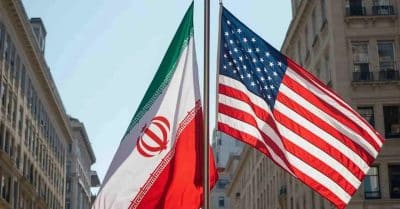
Iran has rejected US and Israeli military operations as ineffective and signaled an unwillingness to engage in ceasefire negotiations, raising geopolitical tensions and reducing prospects for diplomatic resolution in the Middle East. This stance threatens regional stability and dampens investor confidence in near-term de-escalation, potentially affecting risk asset valuations including cryptocurrencies.
Iran's defiant posture following military confrontations with the US and Israel represents a significant escalation in rhetoric that forecloses near-term diplomatic pathways. By declaring attacks failed and rejecting ceasefire discussions, Iran eliminates intermediate negotiation channels and raises the probability of sustained or renewed military engagement. This positions the conflict as entrenched rather than transitory, fundamentally altering risk calculations for market participants.
The broader context reflects deepening US-Iran tensions rooted in sanctions, regional proxy conflicts, and nuclear program disputes. Israel's military actions have historically triggered regional escalations involving multiple state and non-state actors. Each iteration of this cycle has compressed diplomatic windows and extended periods of uncertainty. Iran's current statements suggest leadership views military posturing as preferable to negotiated settlement, a psychological shift with material consequences for stability.
Cryptocurrency markets and broader risk assets respond predictably to geopolitical uncertainty through increased volatility and capital flight toward safe havens like gold, US treasuries, and stablecoins. Sustained Middle East tensions typically elevate oil prices, creating inflationary pressure that complicates monetary policy expectations and dampens long-duration asset valuations. Investors holding leveraged positions face margin pressure during volatility spikes, while those managing geopolitical exposure may reduce exposure to emerging markets and risk-on assets.
The path forward hinges on whether either party signals willingness to de-escalate or whether military incidents trigger automatic response cycles. Traders should monitor official statements from regional powers, oil price movements above $85-90 per barrel as escalation indicators, and Bitcoin's correlation with risk sentiment during periods of heightened uncertainty.
- →Iran's rejection of ceasefire talks eliminates near-term diplomatic resolution prospects and signals entrenched conflict posture
- →Geopolitical uncertainty typically drives flight to safe-haven assets and increases volatility across crypto markets
- →Sustained Middle East tensions historically push oil prices higher, creating inflationary headwinds for risk assets
- →Leverage traders face margin pressure during volatility spikes triggered by geopolitical events
- →Monitor oil prices above $85-90/barrel and Bitcoin's risk-sentiment correlation as escalation indicators