
Iran refuses US peace talks, dims hopes for Trump meeting by April 30
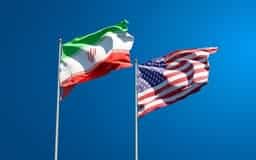
Iran has rejected US peace talks and dismissed hopes for a meeting with Trump by April 30, escalating geopolitical tensions. This diplomatic setback signals continued strain in US-Iran relations and introduces uncertainty that could affect global markets, including cryptocurrency volatility driven by risk-on/risk-off sentiment.
Iran's refusal to engage in peace negotiations with the United States represents a significant diplomatic breakdown that extends beyond traditional foreign policy. The collapse of these talks removes a potential catalyst for geopolitical de-escalation that markets had partially priced in, particularly given the April 30 deadline that some observers viewed as a critical juncture for negotiations. This rejection reflects deeper structural tensions in US-Iran relations and suggests minimal near-term prospect for sanctions relief or normalized trade relations.
The broader context reveals a pattern of failed diplomatic initiatives spanning multiple US administrations. Previous nuclear agreement negotiations, including the 2015 JCPOA, faced implementation challenges and ultimately suffered from shifting political commitments. Iran's current stance indicates skepticism toward negotiation frameworks, possibly influenced by domestic political considerations and regional power dynamics involving China, Russia, and Gulf states.
For cryptocurrency and financial markets, escalating geopolitical risk typically triggers flight-to-safety behavior. Investors reallocate capital toward traditional safe havens like US Treasury bonds and gold while reducing exposure to volatile assets including cryptocurrencies. However, some market participants view geopolitical uncertainty as a long-term tailwind for decentralized assets that function outside traditional financial systems. Oil price volatility may increase given sanctions risks, which indirectly impacts inflation expectations and central bank policy decisions affecting crypto valuations.
Market participants should monitor upcoming developments including potential new sanctions announcements, regional military activities, and shifts in Chinese or European policy toward Iran. Any escalation beyond diplomatic channels could trigger significant market dislocations across multiple asset classes.
- →Iran's rejection of peace talks eliminates a near-term de-escalation catalyst that markets had partially factored in.
- →Geopolitical risk intensification typically drives risk-off sentiment, pressuring volatile assets like cryptocurrencies.
- →Sanctions uncertainty could increase oil price volatility and impact inflation expectations affecting central bank policy.
- →The diplomatic failure suggests ongoing structural tensions rather than temporary negotiating positions.
- →Crypto markets may experience increased correlation with traditional safe-haven assets during escalating geopolitical periods.