
Iran rejects Trump’s claims amid oil sanction relief talks
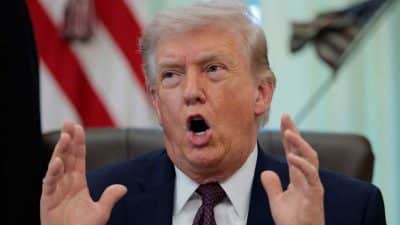
Iran has rejected claims made by Trump regarding ongoing oil sanction relief negotiations, signaling a hardening diplomatic position. This strategic posturing could influence market expectations around potential sanctions relief and affect global oil and cryptocurrency markets sensitive to geopolitical risk.
Iran's rejection of Trump's claims during sanction relief talks represents a critical moment in U.S.-Iran relations with significant downstream effects for energy and financial markets. The diplomatic rebuff suggests Iran is taking a firm negotiating stance, potentially signaling unwillingness to concede on key issues or reject unfavorable terms being proposed. This rejection indicates negotiations remain contentious despite ongoing discussions about relief from oil sanctions that have constrained Iran's energy exports and economic activity.
The broader context involves years of escalating sanctions imposed on Iran's oil sector under previous administrations, creating substantial economic pressure. Recent diplomatic engagement has raised market speculation about potential sanction relief, which would expand Iran's oil production and exports. However, Iran's firm stance reveals significant daylight between negotiating positions, suggesting any relief outcomes remain uncertain and may require substantial further negotiation.
For cryptocurrency and financial markets, this development increases geopolitical risk premiums. Sanction relief could theoretically reduce petrodollar volatility and stabilize crude oil prices, affecting energy stocks and commodity-linked assets. Conversely, continued tensions could support safe-haven assets like Bitcoin, which some investors view as geopolitical hedge assets. The uncertainty itself creates volatility risk for traders with exposure to oil, emerging markets, or geopolitically sensitive commodities.
Market participants should monitor diplomatic statements and negotiation updates closely. Any breakthrough or breakdown in talks could trigger significant price movements across energy futures, emerging market currencies, and potentially cryptocurrency markets where geopolitical risk adjustments occur. The trajectory of these negotiations will likely remain a key variable influencing risk asset performance through the coming months.
- →Iran's rejection of Trump's claims signals a hardened diplomatic stance in ongoing sanction relief negotiations.
- →Continued negotiating friction increases uncertainty around potential oil sanction relief timelines and outcomes.
- →Geopolitical tension premiums may support safe-haven asset demand including cryptocurrencies.
- →Sanction relief uncertainty maintains volatility risk for oil futures and emerging market-exposed traders.
- →Close monitoring of diplomatic developments is essential given market sensitivity to Iran-U.S. relations.