
Iran rejects US ceasefire terms, tensions rise amid ongoing hostilities
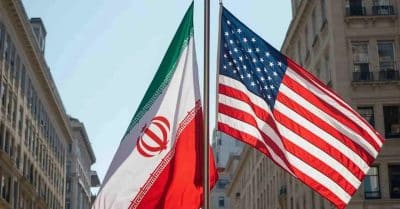
Iran has rejected US ceasefire proposals, escalating regional tensions and creating uncertainty in geopolitical stability. This rejection complicates diplomatic resolution efforts and introduces macroeconomic headwinds that typically increase cryptocurrency market volatility as investors reassess risk exposure.
Iran's refusal of US ceasefire terms represents a significant escalation in Middle Eastern geopolitical tensions. The breakdown of diplomatic negotiations removes a key stabilizing factor that markets had begun pricing in, forcing a reassessment of regional conflict risk. This development matters because Middle Eastern instability historically correlates with energy price spikes, which cascade through global markets and influence central bank policy responses.
Geopolitical crises of this magnitude create macroeconomic uncertainty that typically benefits safe-haven assets, including cryptocurrencies. During periods of regional conflict and diplomatic breakdown, institutional investors often rebalance portfolios toward non-correlated assets, and some individuals in affected regions seek alternative stores of value outside traditional banking systems. Bitcoin and other cryptocurrencies have historically experienced increased adoption during geopolitical stress events.
The market implications extend beyond immediate price movements. Prolonged tensions could trigger sanctions regimes that affect global financial infrastructure, potentially increasing crypto transaction volumes as entities seek to circumvent traditional banking restrictions. Additionally, energy cost volatility stemming from Middle Eastern instability influences Bitcoin mining economics, as miners face uncertain electricity pricing.
Looking ahead, market participants should monitor escalation indicators, potential US military responses, and any statements regarding sanctions or financial restrictions. The cryptocurrency market's reaction will largely depend on whether tensions remain rhetorical or evolve toward direct military engagement. Investors should watch correlation patterns between crude oil futures and major cryptocurrencies as a leading indicator of sustained volatility.
- →Iran's rejection of ceasefire terms eliminates a key diplomatic off-ramp and increases regional conflict risk
- →Geopolitical crises historically drive investors toward alternative assets including cryptocurrencies
- →Energy price volatility from Middle Eastern instability directly impacts Bitcoin mining profitability and operations
- →Potential sanctions could accelerate crypto adoption in affected regions as capital control workarounds
- →Sustained tensions may create lasting market volatility and shift investment allocation patterns toward non-correlated assets