
Iran rejects US demands, Supreme Leader approves talks amid internal unity
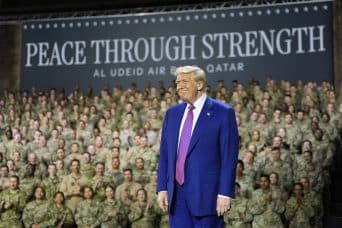
Iran's Supreme Leader has approved diplomatic talks while the country maintains unified rejection of US demands, potentially prolonging geopolitical tensions. This internal cohesion signals Iran may pursue negotiations from a position of strength, which could affect regional stability and crypto market sentiment tied to sanctions risk.
Iran's decision to pursue talks while rejecting US preconditions represents a calculated diplomatic stance that balances engagement with resolve. The Supreme Leader's approval of negotiations, coupled with demonstrated internal unity, suggests Iran aims to negotiate from a strengthened position rather than capitulate to external pressure. This dynamic mirrors previous cycles of Iranian negotiations where domestic political alignment enables more assertive international posturing.
Historically, US-Iran tensions have driven cryptocurrency adoption in Iran as a hedge against potential sanctions and financial isolation. Previous sanctions cycles prompted Iranian entities and citizens to explore blockchain-based financial systems to circumvent traditional banking restrictions. The current posture—talks without concessions—keeps the threat of escalation live, maintaining incentive for alternative financial infrastructure development in the region.
From a market perspective, prolonged diplomatic tensions create uncertainty that typically dampens risk appetite across emerging markets and geopolitical-sensitive assets. Investors monitoring sanctions-exposed sectors or companies with Iranian exposure face extended ambiguity. Conversely, demand for censorship-resistant financial tools may increase if negotiations stall and sanctions risk rises. Crypto markets often react to geopolitical risk premiums, with Bitcoin and stablecoins serving as hedges in sanctions-vulnerable economies.
The path forward depends on whether this unified stance enables productive negotiations or hardens positions on both sides. If talks deadlock, expect renewed focus on secondary sanctions enforcement and potential acceleration of de-dollarization efforts across sanctioned jurisdictions, which could modestly support crypto adoption in affected regions.
- →Iran's internal unity strengthens its negotiating position but may prolong diplomatic tensions with the US
- →Extended geopolitical uncertainty typically increases demand for alternative financial systems in sanctions-exposed regions
- →Crypto markets remain sensitive to Iran-related geopolitical developments due to sanctions-driven adoption patterns
- →The outcome of talks will determine whether sanctions risk escalates or de-escalates through 2024
- →Investors should monitor regional stability indicators as proxies for emerging market crypto adoption trends