
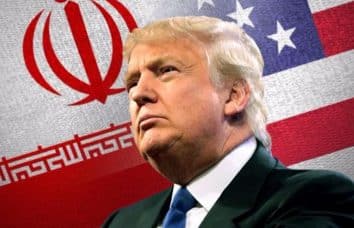
Iran rejected US nuclear demands during talks in Islamabad, a diplomatic setback that threatens to prolong geopolitical tensions. The stalemate could destabilize global oil markets and delay resolution of long-standing nuclear negotiations, creating macroeconomic uncertainty for risk assets including cryptocurrencies.
Iran's rejection of US nuclear demands represents a significant escalation in diplomatic tensions between the two nations. The talks in Islamabad, conducted through Pakistani intermediaries, aimed to bridge the gap between Iranian and American positions on nuclear weapons development and sanctions relief. This rejection indicates hardening positions on both sides, reducing near-term prospects for resolution and maintaining the status quo of heightened geopolitical risk.
The historical context involves the 2015 Joint Comprehensive Plan of Action (JCPOA), from which the US withdrew in 2018 under the Trump administration. Subsequent attempts at re-engagement have repeatedly stalled over verification protocols, sanctions timing, and weapons development scope. Iran's refusal to compromise further suggests domestic political constraints limit negotiating flexibility, while the US maintains maximalist demands that Tehran views as unacceptable.
For financial markets, prolonged nuclear tensions directly impact crude oil prices through supply risk premiums. Cryptocurrency markets correlate with broader macroeconomic risk sentiment—heightened geopolitical uncertainty typically triggers flight-to-safety behavior, potentially weakening risk assets. However, this specific conflict may also support energy-linked assets and inflation hedges like Bitcoin, depending on market interpretation of oil supply disruption probability.
Investors should monitor escalation indicators: increased military posturing, additional sanctions rounds, or proxy conflicts. The coming months will test whether diplomatic channels remain viable or whether hardening positions lead to security incidents. Market participants holding exposure to energy or geopolitically sensitive assets face elevated uncertainty that could trigger volatility across multiple asset classes.
- →Iran's rejection of US demands signals a breakdown in diplomatic momentum and reduced near-term resolution prospects.
- →Prolonged negotiations increase geopolitical risk premiums affecting global oil markets and macroeconomic uncertainty.
- →Cryptocurrency markets may face headwinds from risk-off sentiment, though energy-linked assets could benefit from supply concerns.
- →Historical pattern suggests both parties have entrenched positions making compromise increasingly difficult without external pressure.
- →Investors should monitor military activity and additional sanctions as key indicators of further escalation risk.