
Irán rechaza inspecciones nucleares de Estados Unidos en medio de tensiones regionales
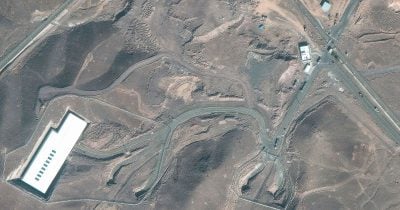
Iran has rejected nuclear inspections by the United States amid escalating regional tensions, potentially derailing diplomatic negotiations on uranium enrichment agreements. This stance threatens to intensify geopolitical conflict and complicate efforts to resolve long-standing nuclear disputes.
Iran's rejection of U.S. nuclear inspections represents a significant escalation in ongoing tensions between the two nations and signals deteriorating diplomatic prospects. The refusal undermines the framework necessary for verifying compliance with nuclear agreements, creating uncertainty around Iran's uranium enrichment activities and intentions. This development reflects deeper mistrust and suggests both parties are moving toward a more confrontational posture rather than seeking collaborative solutions.
Historically, nuclear inspections have served as confidence-building mechanisms in international agreements. The breakdown of the Joint Comprehensive Plan of Action (JCPOA) in 2018 and subsequent events have eroded trust between Tehran and Washington. Iran's current position may stem from perceived grievances over sanctions and previous diplomatic failures, while the U.S. maintains concern over potential proliferation risks. This cycle of escalation mirrors patterns seen in previous geopolitical crises.
For cryptocurrency and broader financial markets, heightened geopolitical risk typically triggers flight-to-safety dynamics, potentially benefiting assets like Bitcoin and gold. Increased regional instability could disrupt energy markets, affecting oil prices and subsequently influencing inflation expectations and macroeconomic conditions that impact crypto valuations. Additionally, any potential military escalation could trigger broader market volatility across traditional and digital asset classes.
Observers should monitor whether direct negotiations resume, if international mediators intervene, or if additional sanctions are imposed. The trajectory of this situation will likely influence risk appetite in financial markets and potentially drive increased institutional interest in non-correlated assets like Bitcoin as geopolitical hedges.
- →Iran rejected U.S. nuclear inspections, signaling deteriorating diplomatic relations and heightened regional tensions.
- →The refusal threatens to derail uranium enrichment agreement negotiations and verification mechanisms.
- →Geopolitical escalation typically triggers flight-to-safety in financial markets, potentially benefiting non-correlated assets.
- →Energy market disruptions from regional instability could influence broader macroeconomic conditions affecting crypto valuations.
- →International mediation and potential additional sanctions remain critical variables to monitor in coming weeks.