
Iran rejects US demands, won’t attend talks as Vance returns to Pakistan
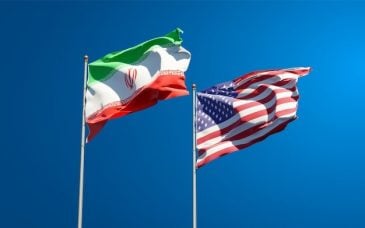
Iran has rejected US demands and will not participate in upcoming diplomatic talks, while US Vice President JD Vance returns to Pakistan for further negotiations. This escalation signals deepening geopolitical tensions that could impact global stability and cryptocurrency markets sensitive to sanctions and macroeconomic uncertainty.
The breakdown in diplomatic engagement between Iran and the United States represents a significant deterioration in international relations. Iran's refusal to attend talks and rejection of US demands suggests both parties are entrenched in their positions, with little room for near-term compromise. Vance's return to Pakistan indicates the US is pursuing alternative diplomatic channels in the region, potentially to isolate Iran further or secure regional cooperation on broader strategic concerns.
This situation emerges against a backdrop of longstanding US-Iran tensions rooted in nuclear negotiations, sanctions regimes, and regional proxy conflicts. The failure of previous diplomatic initiatives and the apparent hardening of positions suggest we may be entering a period of heightened geopolitical friction. Such periods typically correlate with increased international instability, capital flight uncertainty, and changes in sanctions regimes.
For cryptocurrency markets, geopolitical crises of this magnitude warrant attention. Heightened US-Iran tensions historically correlate with increased demand for alternative financial systems and stores of value, particularly in sanctioned jurisdictions. Cryptocurrency adoption rates in Iran have grown significantly as citizens seek to circumvent banking restrictions. However, broader market sentiment typically turns cautious during geopolitical crises, as investors retreat to safer assets. Risk-averse traders may reduce exposure to volatile asset classes.
Monitoring developments is essential for those tracking macro-driven market movements. Potential escalation could trigger sanctions announcements that affect cryptocurrency trading volumes in specific regions or inspire regulatory responses from Western governments. The trajectory of these talks—or lack thereof—remains a key variable affecting both geopolitical risk appetite and crypto market sentiment.
- →Iran's rejection of US demands and diplomatic withdrawal signals escalating geopolitical tensions with uncertain resolution timelines.
- →US engagement with Pakistan suggests pursuit of alternative diplomatic strategies and potential regional isolation of Iran.
- →Cryptocurrency markets may experience volatility during periods of heightened US-Iran tension due to macro uncertainty and sanctions risk.
- →Iran's historical reliance on crypto adoption as a sanctions-circumvention tool could increase if tensions further escalate.
- →Investors should monitor announcement channels for potential new sanctions that could affect regulated crypto trading venues.