
Iran reopens airspace after ceasefire with US, tensions remain
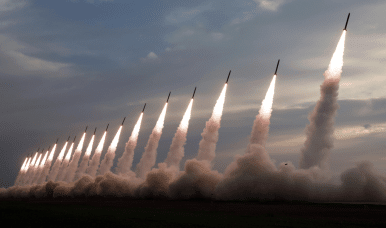
Iran has reopened its airspace following a ceasefire agreement with the US, though underlying tensions persist and market participants remain skeptical about the durability of the accord. The fragile nature of US-Iran relations continues to pose geopolitical risk factors that could affect global markets.
The reopening of Iranian airspace marks a tactical de-escalation in US-Iran tensions, yet the qualified language around this development—emphasizing that tensions remain and skepticism persists—suggests the underlying conflict drivers remain unresolved. This ceasefire represents a pause rather than a fundamental resolution, leaving investors to navigate persistent uncertainty about future escalations.
Historically, US-Iran tensions have created recurring shocks to global markets, particularly oil prices and risk sentiment. Previous flashpoints, including the 2020 Soleimani assassination and subsequent Iranian missile strikes, triggered immediate volatility across equity, currency, and commodity markets. The current reopening of airspace suggests de-escalation, yet the market skepticism noted in the article reflects investor awareness that temporary ceasefires can collapse rapidly, especially given the structural antagonisms between both parties.
For cryptocurrency and fintech markets, geopolitical instability typically drives two competing effects: flight-to-safety flows that can boost non-correlated assets like Bitcoin, and broader risk-off sentiment that pressures speculative holdings. Iranian crypto adoption has historically served as a hedge against sanctions and currency devaluation, making geopolitical stability directly relevant to crypto market dynamics in the region.
Looking forward, investors should monitor whether this ceasefire translates into longer-term diplomatic progress or merely represents a temporary truce before renewed tensions. Key indicators include Iranian oil export levels, sanctions relief negotiations, and statements from both governments regarding underlying grievances. Any sudden escalation could trigger sharp moves in crude oil futures and broader risk asset volatility.
- →Iran reopens airspace following US ceasefire, but underlying tensions and fragility suggest temporary reprieve rather than lasting resolution
- →Historical US-Iran escalations have triggered significant volatility in oil, equities, and risk assets including cryptocurrencies
- →Market skepticism indicates investors doubt the durability of this agreement given unresolved structural conflicts
- →Crypto markets may experience competing effects: flight-to-safety demand versus broader risk-off sentiment depending on escalation trajectory
- →Monitoring diplomatic progress, oil exports, and sanctions negotiations will be critical to assessing stability of this ceasefire