
Iran reopens Strait of Hormuz, signaling potential US diplomacy
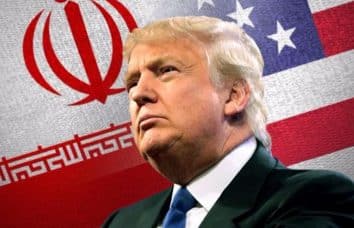
Iran has reopened the Strait of Hormuz, a critical shipping chokepoint through which approximately 21% of global petroleum passes. The move signals a potential thaw in US-Iran tensions and could reduce geopolitical risk premiums embedded in energy prices and broader financial markets, though sustained diplomatic engagement remains necessary for lasting stability.
The reopening of the Strait of Hormuz represents a significant de-escalation in Middle Eastern geopolitical tensions that have periodically disrupted global markets over the past decade. Previous closures or threats to the strait have triggered oil price spikes, currency volatility, and risk-off sentiment across asset classes. This diplomatic gesture suggests both parties recognize the economic costs of prolonged confrontation and may be exploring renewed engagement channels.
Historically, tensions over the Strait of Hormuz stem from decades of US-Iran sanctions, regional proxy conflicts, and competing interests in Gulf security architecture. The waterway's strategic importance—controlling energy supplies to global markets—makes it a lever for both economic pressure and negotiation. Recent cycles of tension have correlated with cryptocurrency market volatility, as risk-on assets respond to geopolitical uncertainty and inflation concerns tied to energy disruptions.
For crypto and traditional financial markets, reduced Hormuz tensions could moderate oil price volatility, ease inflation expectations, and reduce safe-haven demand for defensive assets. Lower energy uncertainty typically strengthens risk appetite, potentially benefiting growth-oriented sectors and speculative assets like cryptocurrencies. However, the article emphasizes that initial gestures must translate into sustained diplomacy for meaningful market impact.
Investors should monitor whether this reopening leads to broader sanctions relief or remains a tactical move. Sustained de-escalation could reduce macro volatility and support growth narratives, while renewed tensions would quickly reverse these gains. The cryptocurrency market's correlation with macro risk sentiment means geopolitical developments of this scale warrant close attention from portfolio managers and traders managing exposure to volatile periods.
- →Iran's reopening of the Strait of Hormuz signals potential US-Iran diplomatic engagement and reduces immediate geopolitical risk to global energy supplies.
- →The strait's closure or blockade would disrupt 21% of global petroleum transport, making its status critical to oil prices and broader financial stability.
- →Reduced Hormuz tensions typically ease inflation expectations and support risk-on asset performance, including cryptocurrencies sensitive to macro volatility.
- →Initial diplomatic gestures must evolve into sustained engagement to produce durable market impacts and lasting geopolitical stability.
- →Investors should track follow-up negotiations and sanctions developments rather than treating this as a conclusive resolution.