
Iran restores missile sites after US-Israel strikes, tensions rise
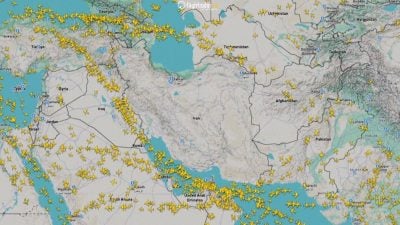
Iran has restored missile sites following recent US-Israel strikes, escalating regional tensions and raising concerns about geopolitical stability and airspace security. This development signals an intensification of Middle East conflict dynamics that could influence broader market sentiment and risk assessment in emerging markets.
Iran's restoration of missile infrastructure after military strikes represents a significant escalation in regional tensions. The move demonstrates Iran's commitment to maintaining defensive capabilities despite external pressure, establishing a cycle of action-reaction that destabilizes the region. This pattern mirrors previous confrontations and indicates neither party intends to back down, raising the probability of further military engagement.
The broader context involves years of US-Iran tensions, Israeli security concerns, and proxy conflicts across the Middle East. These strikes and subsequent Iranian responses occur within a larger framework of regional power struggles, nuclear negotiations, and competing geopolitical interests. The restoration effort signals that Iran prioritizes military readiness and deterrence over de-escalation pathways.
For crypto and financial markets, geopolitical crises typically trigger flight-to-safety dynamics. Investors may rotate capital toward traditional safe havens like US Treasuries and precious metals while reducing exposure to emerging markets and higher-risk assets. Oil price volatility increases significantly during Middle East tensions, which ripples through energy stocks and inflation expectations. Cryptocurrency markets experience mixed effects—some view digital assets as alternative hedges, while others liquidate positions during acute geopolitical uncertainty to preserve capital in traditional markets.
Looking ahead, escalation risks remain elevated with potential for further strikes, missile launches, or proxy actions. Market participants should monitor airspace closures, energy disruptions, and sanctions developments. Regional stability remains precarious, and any major incident could trigger substantial volatility across asset classes including crypto markets.
- →Iran restored missile sites after US-Israel strikes, continuing a cycle of military escalation in the region.
- →Regional tensions heighten geopolitical risk and typically trigger flight-to-safety capital movements in financial markets.
- →Oil price volatility increases during Middle East conflicts, affecting energy markets and inflation expectations.
- →Cryptocurrency markets face mixed pressures as investors balance alternative hedges against acute uncertainty.
- →Further military engagement risk remains high with potential for airspace disruptions and energy supply shocks.