
Iran restricts Strait of Hormuz transit to 12 vessels in 24 hours
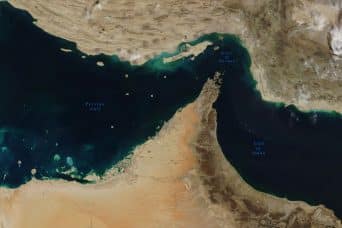
Iran has restricted transit through the Strait of Hormuz to 12 vessels in 24 hours, a significant chokepoint control that threatens global oil supply stability. This geopolitical action could escalate regional tensions and create market volatility affecting cryptocurrency and traditional energy markets.
Iran's restriction on Strait of Hormuz transit represents a critical geopolitical flashpoint with direct implications for global energy markets and cryptocurrency volatility. The strait channels approximately 20% of global oil trade, making Iran's control over transit flows a potent leverage tool in ongoing regional tensions. By limiting passage to 12 vessels daily, Iran signals willingness to weaponize energy infrastructure, a tactic historically used during periods of elevated US-Iran hostility or sanctions escalation.
This action emerges amid broader patterns of Iranian retaliation against Western sanctions and perceived encroachments. Previous instances of Hormuz disruption—whether through military exercises, tanker seizures, or transit restrictions—have preceded oil price spikes and broader market dislocations. The restriction creates supply-side uncertainty that extends beyond petroleum markets into asset classes sensitive to macroeconomic stress.
Cryptocurrency markets exhibit inverse correlations with crude oil during periods of geopolitical uncertainty, as risk-off sentiment drives capital toward perceived safe havens. However, sustained energy price inflation can trigger broader macroeconomic concerns that pressure risk assets including cryptocurrencies. Traders monitoring geopolitical risk premiums should track oil futures pricing, US equity market volatility indices, and emerging-market currency stress as leading indicators of cryptocurrency directional pressure.
The sustainability and enforcement of Iran's restriction remains uncertain. International shipping traffic may adapt through alternate routes or negotiate direct access, potentially limiting the policy's actual economic impact. Escalation patterns—whether toward military confrontation or diplomatic resolution—will determine whether this represents temporary posturing or sustained supply disruption with lasting market consequences.
- →Iran's 12-vessel-per-day Hormuz limit threatens 20% of global oil supply and elevates geopolitical risk premiums.
- →Oil price volatility from energy supply disruptions typically precedes cryptocurrency market stress during broader risk-off environments.
- →Historical Hormuz disruptions have coincided with significant asset price dislocations across traditional and crypto markets.
- →Shipping industry response through alternate routes or negotiations could limit the policy's actual economic footprint.
- →Sustained monitoring of crude oil futures, equity volatility indices, and emerging-market currency stress provides early warning signals.