
Iran retains 40% of drones, 60% of missiles despite 13,000 strikes
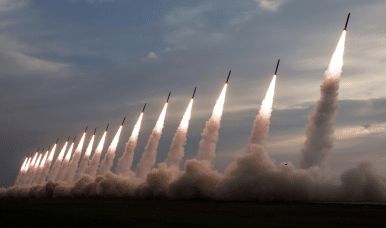
Despite experiencing over 13,000 strikes, Iran has retained approximately 40% of its drone capacity and 60% of its missile arsenal, demonstrating significant military resilience. This capability suggests the potential for prolonged regional conflict and carries implications for geopolitical stability and global strategic positioning.
Iran's retention of substantial military assets following extensive strikes indicates a well-distributed and redundant defense infrastructure designed to withstand sustained bombardment. The figures reveal that even after significant attrition, Iran maintains operational capacity across both drone and missile platforms, complicating deterrence calculations for regional and international actors. This resilience reflects decades of sanctions-driven military self-sufficiency and distributed manufacturing practices that have created decentralized production and storage networks.
Historically, Iran has invested heavily in asymmetric capabilities, particularly unmanned systems and precision missiles, as force multipliers against technologically superior adversaries. The current conflict demonstrates that theoretical capacity translates into practical durability, challenging assumptions about rapid military degradation through air campaigns alone. Previous regional conflicts suggested that air superiority could neutralize such arsenals; Iran's experience contradicts this precedent.
For global markets, sustained regional conflict typically increases oil price volatility, affects shipping through critical chokepoints, and creates safe-haven demand for defensive assets. Cryptocurrency markets often respond to geopolitical uncertainty through flight-to-liquidity dynamics, though the direct correlation remains inconsistent. Defense sector equities and commodities like oil and precious metals face more direct impact.
Looking forward, the critical variable is whether Iran's remaining capabilities can be replenished faster than they are consumed. If production capacity exceeds attrition rates, the conflict enters an extended phase. Conversely, if reserves deplete without replacement, military pressure could intensify. The next phase depends on supply chain resilience and international support networks.
- →Iran retains 40% drone and 60% missile capacity after 13,000 strikes, indicating distributed military infrastructure and redundancy.
- →The arsenal's resilience suggests potential for prolonged regional conflict rather than rapid military collapse.
- →Sustained conflict increases oil volatility and creates safe-haven demand affecting global financial markets.
- →Iran's self-sufficient military production model, developed under sanctions, enables faster regeneration than conventional supply chains.
- →Geopolitical escalation of this scale typically triggers flight-to-liquidity and commodity volatility affecting crypto and traditional markets.