
Iran warns of full-force retaliation if ceasefire collapses
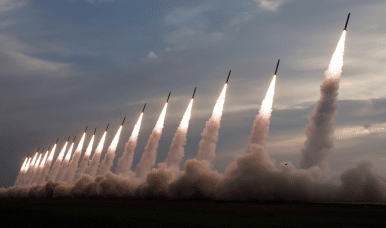
Iran has issued a warning of severe military retaliation should regional ceasefire agreements collapse, escalating geopolitical tensions in the Middle East. This development threatens diplomatic stability and could have cascading effects on global markets, including cryptocurrency volatility driven by broader macroeconomic uncertainty.
Iran's threat of full-force retaliation represents a significant escalation in Middle Eastern tensions, signaling the fragility of current ceasefire agreements and the potential for rapid deterioration in regional stability. The statement underscores deep distrust between parties and raises questions about the sustainability of existing peace frameworks. This warning carries implications beyond traditional geopolitical analysis, as cryptocurrency markets have demonstrated sensitivity to regional conflicts and macro uncertainty.
The broader context involves longstanding regional tensions, proxy conflicts, and competing interests among various powers. Ceasefire agreements in the Middle East have historically proven fragile, with rhetoric and military posturing preceding actual escalation. Iran's explicit warning suggests heightened readiness and willingness to respond to perceived provocations, elevating the risk profile for the entire region.
For cryptocurrency investors and markets, geopolitical crises typically trigger flight-to-safety behavior, initially benefiting traditional safe havens like gold and US Treasuries while creating headwinds for risk assets. However, crypto's role as an alternative hedge is increasingly recognized, and major geopolitical events have historically created both volatility spikes and buying opportunities depending on market structure. Oil price fluctuations resulting from Middle Eastern instability could impact energy costs for blockchain operations and mining, indirectly affecting network economics.
Monitoring diplomatic channels and military posturing over coming weeks remains essential. Traders should watch for escalation signals, sanctions announcements, or direct military engagement, any of which could trigger macro market dislocations affecting cryptocurrency valuations alongside broader asset classes.
- →Iran threatens military retaliation if ceasefire collapses, significantly raising geopolitical risk in the Middle East
- →Regional instability typically drives cryptocurrency volatility as investors reassess macro risk exposure
- →Oil price disruptions from Middle Eastern tensions could affect blockchain infrastructure costs globally
- →Ceasefire sustainability remains uncertain despite current diplomatic frameworks
- →Crypto markets may experience flight-to-safety pressure if escalation proceeds