
Iran ship attack triples insurance premiums in Strait of Hormuz
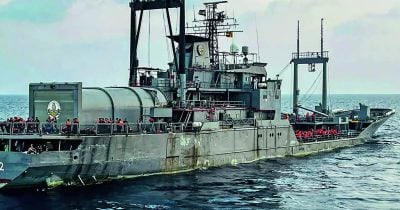
A ship attack in the Strait of Hormuz has tripled insurance premiums for vessels transiting the critical waterway, disrupting global shipping lanes and threatening to increase oil prices worldwide. The incident heightens geopolitical tensions in a region vital to global energy markets and cryptocurrency volatility.
The tripling of insurance premiums in the Strait of Hormuz represents a significant shock to global maritime commerce and energy markets. This strategic chokepoint handles roughly one-third of global seaborne oil trade, making any disruption to shipping activities a systemic economic concern. The attack on vessels demonstrates the persistent security risks in the region, causing shipping companies to demand substantially higher insurance coverage to operate safely through these contested waters.
The broader context reflects ongoing Middle Eastern geopolitical tensions centered on Iran's regional activities and international responses. The Strait of Hormuz has long been a flashpoint for tensions between Iran and Western powers, with previous incidents including tanker attacks and drone strikes. Rising insurance costs compound existing supply chain pressures and energy market volatility, creating a cascading effect across global economies.
Cryptocurrency markets respond acutely to energy price shocks and geopolitical uncertainty. Higher oil prices drive inflation concerns, typically benefiting Bitcoin as a hedge against currency devaluation and economic instability. However, broader market uncertainty can trigger risk-off sentiment, initially pressuring risk assets including cryptocurrencies. Traders monitoring macro conditions closely watch oil prices and geopolitical headlines as leading indicators for market direction.
The situation warrants continued monitoring for potential escalation or resolution. Further incidents could force sustained shipping reroutes around Africa's Cape of Good Hope, significantly increasing transportation costs and delivery times. Market participants should track insurance premium movements, oil price trends, and diplomatic developments as indicators of regional stability and potential macroeconomic impacts.
- →Insurance premiums for Strait of Hormuz shipping have tripled due to the attack, raising operational costs for energy traders.
- →The chokepoint handles approximately one-third of global seaborne oil trade, making disruptions economically significant.
- →Higher oil prices from shipping disruptions could trigger inflation concerns, typically supporting Bitcoin as a hedge asset.
- →Geopolitical tensions in the Middle East continue to pose systemic risks to global energy markets and supply chains.
- →Market participants should monitor shipping insurance costs and oil prices as leading indicators of macroeconomic and geopolitical risk.