
Iran strikes cargo ship near Oman as Strait of Hormuz traffic holds steady
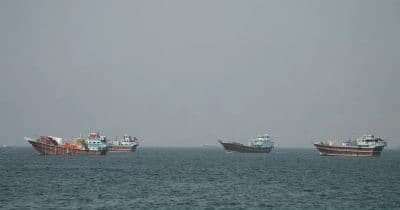
Iran conducted a strike on a cargo ship near Oman in the Strait of Hormuz, a critical chokepoint for global oil transit. Despite the incident, maritime traffic through the strategic waterway continues, though the event highlights underlying regional tensions and vulnerabilities in shipping security that could impact energy markets and broader economic stability.
The attack on a cargo vessel near Oman represents an escalation in regional maritime tensions centered on the Strait of Hormuz, one of the world's most strategically important shipping lanes. Approximately 21% of global petroleum trade passes through this narrow passage, making any disruption to traffic a matter of international concern. The incident underscores how geopolitical friction between Iran and other regional powers creates unpredictable risks to energy security and global supply chains.
These tensions have persisted for years, driven by broader Middle East instability, sanctions regimes, and competing regional interests. Previous incidents involving tankers and military vessels have established a pattern of brinkmanship, though actual disruptions to traffic remain sporadic. The fragile nature of current maritime agreements and the absence of robust de-escalation mechanisms mean incidents like this could multiply, creating sustained uncertainty in energy markets.
For cryptocurrency and financial markets, energy price volatility directly influences macroeconomic conditions and risk sentiment. Oil price spikes from supply disruptions typically correlate with broader market stress, affecting both traditional equities and crypto assets. Energy costs also impact mining profitability and network operations for blockchain protocols. Investors should monitor whether this incident triggers sustained oil market volatility or remains an isolated event.
Market participants should watch for escalation patterns, official responses from major trading nations, and any coordinated efforts to stabilize the corridor. Additional strikes or threats to shipping could force energy prices higher, tightening liquidity conditions and increasing demand for hedging instruments. This geopolitical risk remains a secondary but meaningful factor in macro asset allocation decisions.
- →Iran struck a cargo ship near Oman, highlighting ongoing maritime security risks in a critical global oil transit corridor.
- →The Strait of Hormuz handles roughly 21% of world petroleum trade, making supply disruptions a significant macroeconomic risk.
- →Geopolitical tensions and fragile security agreements create unpredictable volatility that can spill into energy and financial markets.
- →Oil price spikes from supply concerns affect crypto mining economics, network costs, and broader risk sentiment.
- →Investors should monitor escalation patterns and official diplomatic responses to assess sustained disruption risks.