
Iran-linked ships challenge US blockade, efforts thwarted by military
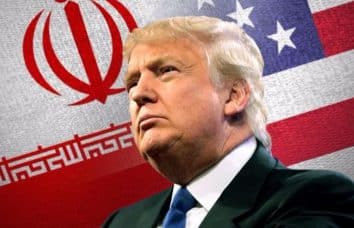
Iran-linked vessels attempted to challenge a US military blockade but were unsuccessful in their efforts, escalating geopolitical tensions in a region critical to global energy markets and cryptocurrency volatility. The incident underscores ongoing US-Iran friction and raises concerns about potential conflict escalation, which historically impacts crypto market sentiment and risk asset pricing.
The thwarted Iranian maritime challenge represents a continuation of escalating US-Iran tensions in strategically vital waterways. These confrontations carry significant implications for global energy security, as disruptions to shipping routes can trigger commodity price volatility that ripples through cryptocurrency markets. Investors closely monitor geopolitical flashpoints because energy price spikes correlate with inflation concerns, which in turn affect central bank policy expectations and cryptocurrency valuations.
Historically, US-Iran tensions have created uncertainty in oil markets, pushing prices higher and increasing investor risk aversion. This dynamic typically drives capital toward safe-haven assets and away from speculative positions, including cryptocurrencies. The failed blockade challenge suggests neither side has de-escalated rhetoric, maintaining pressure on global energy markets and economic sentiment.
For crypto markets, sustained geopolitical tension creates a bifurcated effect: short-term fear drives some capital toward Bitcoin as a hedge against currency debasement and central bank intervention, while broader economic uncertainty can suppress risk appetite entirely. The timing of such incidents relative to macroeconomic data releases and Federal Reserve communications amplifies their market impact. Traders should monitor developing tensions in the Strait of Hormuz and Persian Gulf, as any escalation affecting oil shipments could accelerate inflation concerns and alter cryptocurrency market trajectories substantially.
- →US military successfully prevented Iran-linked ships from challenging the blockade, maintaining current geopolitical status quo but not reducing tensions
- →Ongoing US-Iran friction threatens regional stability and global energy supply chains critical to inflation expectations
- →Geopolitical escalation typically reduces risk appetite, pressuring speculative assets including cryptocurrencies in the short term
- →Oil price volatility from regional tensions feeds into inflation concerns that directly impact crypto valuations and macro sentiment
- →Investors should monitor Strait of Hormuz developments as maritime incidents can rapidly shift energy markets and risk asset positioning