
Iran-linked ships cross US blockade line in Gulf of Oman
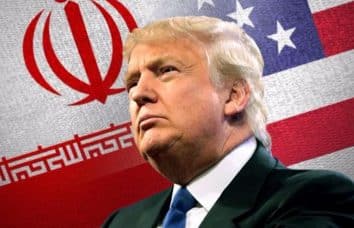
Iran-linked ships have reportedly crossed a US blockade line in the Gulf of Oman, suggesting potential enforcement gaps in current maritime sanctions. This breach raises questions about the effectiveness of geopolitical containment measures and could influence market confidence in policy stability, particularly affecting commodities and crypto markets sensitive to geopolitical risk.
The reported crossing of Iran-linked vessels through a US blockade line in the Gulf of Oman represents a significant challenge to maritime enforcement operations. This incident occurs amid ongoing tensions in the region and raises questions about the practical effectiveness of sanctions regimes that rely on naval interdiction. The breach signals potential gaps between stated policy objectives and on-the-ground enforcement capacity, which directly impacts how markets price geopolitical risk.
Historically, the Gulf of Oman has been a flashpoint for US-Iran tensions, with previous incidents involving tanker seizures and naval confrontations. Current dynamics reflect broader escalations and counter-escalations between Washington and Tehran, playing out across energy markets, financial systems, and increasingly cryptocurrency markets that serve as alternative settlement mechanisms outside traditional banking infrastructure.
For cryptocurrency investors and traders, geopolitical enforcement challenges carry material implications. Weakened sanctions enforcement typically strengthens incentives for using decentralized financial systems and cryptocurrencies to circumvent restrictions. Oil price volatility resulting from regional instability directly correlates with macro risk sentiment that flows through crypto markets. Additionally, concerns about sanction evasion can prompt regulatory scrutiny on exchanges handling Iran-related transactions, creating compliance risk for trading platforms.
Market participants should monitor escalation patterns and formal policy responses from the US government. Clarity on enforcement strategy will determine whether this represents a temporary capability gap or a structural weakness in existing sanctions architecture. Crypto markets typically price in heightened geopolitical risk through elevated volatility and flight-to-quality dynamics.
- →Iran-linked ships breached US blockade lines in the Gulf of Oman, exposing enforcement vulnerabilities
- →Sanctions enforcement gaps increase demand for cryptocurrencies as alternative settlement mechanisms
- →Geopolitical instability typically triggers risk-off sentiment across crypto markets and elevated volatility
- →Market confidence in policy effectiveness directly impacts how investors price geopolitical risk premiums
- →Regulatory scrutiny may intensify on exchanges handling Iran-related transactions following this incident