
Iran’s president signals readiness for diplomacy amid ongoing US tensions
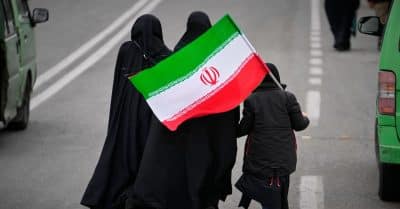
Iran's president has signaled openness to diplomatic engagement with the United States, potentially creating pathways to reduce bilateral tensions. However, deeply rooted disagreements and mutual skepticism between the two nations may impede any near-term progress toward meaningful negotiations or agreements.
Iran's diplomatic signal represents a notable shift in rhetoric, though substantive movement remains uncertain. The geopolitical tensions between Iran and the US have historically created market volatility, particularly affecting oil prices and emerging market assets including cryptocurrency. Iran's openness to dialogue suggests possible de-escalation, which could reduce geopolitical risk premiums embedded in energy markets and risk assets. However, entrenched positions on both sides—including sanctions regimes, nuclear program disputes, and regional proxy conflicts—create significant barriers to rapid resolution. The cryptocurrency market remains sensitive to geopolitical instability because conflict-driven sanctions often accelerate crypto adoption in affected regions as individuals and entities seek censorship-resistant alternatives to traditional financial systems. A sustained diplomatic thaw could paradoxically reduce this adoption pressure while simultaneously improving macroeconomic conditions that support broader digital asset investment. Investors should monitor whether this diplomatic posturing translates into actual negotiations or remains rhetorical positioning. The credibility of these signals will become clearer through subsequent statements from US officials and concrete steps toward dialogue. Should tensions genuinely ease, oil prices may moderate, reducing inflation pressures and potentially improving conditions for risk asset appreciation including crypto. Conversely, if skepticism prevails and negotiations stall, geopolitical risk could intensify, potentially benefiting safe-haven assets and driving users toward decentralized financial infrastructure in affected regions.
- →Iran's diplomatic signals could reduce geopolitical risk premiums affecting global markets and cryptocurrency volatility
- →Entrenched US-Iran disputes over sanctions and nuclear programs create substantial barriers to near-term agreement
- →Eased geopolitical tensions may lower oil prices and improve macroeconomic conditions for risk assets
- →Crypto adoption in Iran could decline if sanctions ease, but regulatory clarity might strengthen institutional adoption elsewhere
- →Monitor official US responses and concrete negotiation steps to assess whether diplomatic rhetoric translates into sustained progress