
Iranian national soccer team trains in Tijuana amid World Cup conflict with US
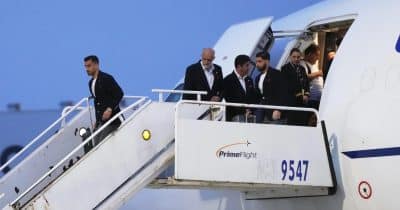
Iran's national soccer team trained in Tijuana, Mexico instead of the United States due to ongoing geopolitical tensions between Iran and the US ahead of World Cup competition. The decision illustrates how international conflicts can disrupt sports logistics and create unexpected complications for athletic teams navigating diplomatic restrictions.
The Iranian national soccer team's decision to establish training operations in Tijuana rather than the continental United States reflects the practical complications that arise when geopolitical hostilities intersect with international sporting events. This situation demonstrates that even prestigious athletic competitions exist within broader frameworks of international relations, where teams must navigate visa restrictions, diplomatic tensions, and security concerns that go beyond traditional game preparation.
Historically, Cold War-era sports competitions frequently featured political overtones and logistical obstacles. The Iran-US relationship has remained strained since 1979, with various sanctions and diplomatic disputes creating consistent friction. World Cup preparations typically require teams to secure optimal training facilities, coaching staff coordination, and acclimation time in host regions. By choosing Tijuana—geographically proximate to the US but legally distinct—Iran's team found a pragmatic workaround that allowed competitive preparation while avoiding direct presence in US territory.
For the broader sports industry and cryptocurrency markets, this event carries limited direct impact. However, it underscores how geopolitical fragmentation can create inefficiencies and unexpected costs for international operations. Teams incur additional expenses, travel complications, and logistical challenges that competitors from stable nations avoid. This parallels cryptocurrency market dynamics, where regulatory fragmentation and sanctions regimes force users and platforms to restructure operations across multiple jurisdictions.
Looking forward, expect similar situations whenever major sporting events occur amid international tensions. Teams will increasingly seek third-party jurisdictions for training, and host nations may face pressure to enforce or relax diplomatic restrictions based on athletic participation.
- →Iran's soccer team trained in Tijuana instead of the US due to diplomatic tensions, demonstrating how geopolitics disrupts sports logistics.
- →Geopolitical conflicts create inefficiencies and additional costs for international operations across multiple sectors including athletics and crypto.
- →Third-party jurisdictions become viable alternatives when primary locations face diplomatic restrictions.
- →Major sporting events highlight the intersection of politics and international cooperation.
- →Teams from sanctioned nations develop creative operational workarounds to maintain competitive participation.