
South Pars Gas Complex petrochemical facility bombed amid escalating Iran conflict
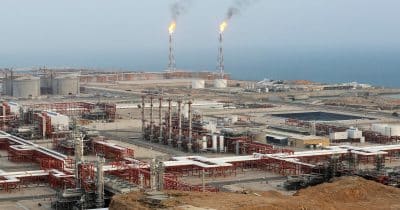
The South Pars Gas Complex, a critical petrochemical facility, has been bombed amid escalating conflict in Iran, disrupting a major global energy infrastructure asset. The attack threatens regional stability, endangers international energy markets, and raises security concerns for shared resources in the region.
The bombing of South Pars represents a direct strike on critical energy infrastructure during an intensifying geopolitical conflict. South Pars is one of the world's largest gas fields, shared between Iran and Qatar, making its disruption a matter of global concern. The attack signals a dangerous escalation in regional hostilities that extends beyond traditional military engagements to target economic chokepoints.
This incident emerges within a broader pattern of Middle Eastern instability affecting energy security. Years of sanctions, proxy conflicts, and diplomatic tensions have created a volatile environment where critical infrastructure increasingly becomes a target. The targeting of petrochemical facilities specifically indicates attempts to cripple economic capacity and leverage coercive pressure through resource denial.
The market implications are substantial. Oil and gas prices respond immediately to supply disruptions, creating volatility across energy markets and inflation concerns globally. For cryptocurrency investors, energy price shocks often correlate with broader macroeconomic uncertainty, potentially increasing safe-haven demand for digital assets while simultaneously affecting mining profitability due to energy cost fluctuations. The disruption of a major gas complex compounds existing energy market tightness and geopolitical risk premiums.
Monitoring developments requires attention to casualty reports, damage assessments, and diplomatic responses. Further escalation could trigger broader military intervention or international sanctions, fundamentally reshaping regional energy dynamics. The incident underscores how geopolitical events outside traditional crypto markets directly impact asset valuations through energy costs, inflation expectations, and macroeconomic uncertainty.
- →South Pars bombing directly threatens global energy supply and creates immediate market volatility
- →Regional conflict escalation typically increases safe-haven asset demand including cryptocurrency
- →Energy infrastructure attacks raise production costs, affecting mining economics and inflation expectations
- →Geopolitical disruptions of this magnitude ripple through broader macroeconomic indicators affecting all markets
- →Further escalation could trigger international intervention or sanctions with lasting structural market impacts