
Trump accuses Iran of ceasefire breach after Strait of Hormuz attack
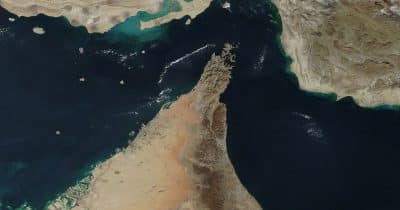
Trump has accused Iran of breaching a ceasefire following an attack in the Strait of Hormuz, escalating geopolitical tensions in a critical global energy chokepoint. This incident threatens oil market stability and creates regulatory complications for cryptocurrency platforms operating under international sanctions frameworks.
The Strait of Hormuz attack represents a significant escalation in U.S.-Iran tensions, with implications extending beyond traditional geopolitics into the cryptocurrency and financial sectors. The strait handles approximately one-third of global seaborne oil trade, making any disruption a systemic risk to energy markets and global economic stability. When oil markets spike due to geopolitical uncertainty, investors typically rotate into alternative asset classes, including cryptocurrencies, which serve as inflation hedges and uncorrelated stores of value.
This incident occurs within a broader context of deteriorating U.S.-Iran relations and existing comprehensive sanctions regimes. The Trump administration has historically maintained hardline positions on Iran, implementing secondary sanctions that restrict financial transactions with Iranian entities. These sanctions frameworks directly impact cryptocurrency exchanges and platforms, which must implement enhanced compliance protocols to prevent sanctioned parties from accessing their services.
For crypto market participants, geopolitical tensions of this magnitude typically trigger three concurrent effects: flight-to-safety asset allocation favoring Bitcoin and established cryptocurrencies, increased volatility across energy-sector tokens and commodities-linked digital assets, and heightened regulatory scrutiny on compliance mechanisms. Exchanges must audit their sanctions screening tools and transaction monitoring systems to ensure compliance with Office of Foreign Assets Control (OFAC) regulations, which carry substantial penalties for violations.
Looking ahead, investors should monitor escalation indicators including additional military incidents, formal sanctions announcements, and oil price movements above $80-90 per barrel thresholds. Sustained geopolitical risk could drive sustained institutional interest in crypto as a non-correlated asset class, while compliance costs for platforms may increase substantially if sanctions expand further.
- →Strait of Hormuz attack escalates U.S.-Iran tensions with direct implications for global oil markets and energy stability
- →Geopolitical uncertainty typically drives cryptocurrency demand as an uncorrelated, portable store of value
- →Existing sanctions frameworks require crypto exchanges to implement strict compliance protocols or face OFAC penalties
- →Oil price volatility above $80-90 per barrel historically correlates with increased institutional crypto adoption
- →Platforms must audit transaction monitoring and sanctions screening systems for regulatory compliance