
Iran proposes barring Israeli vessels from Strait of Hormuz, US ships face fees
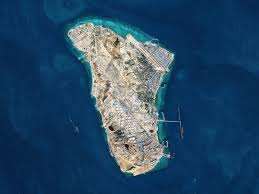
Iran has proposed restricting Israeli vessels from transiting the Strait of Hormuz while imposing fees on US ships, a move that could escalate Middle Eastern tensions and disrupt global energy markets. The proposal carries significant implications for oil supply chains, maritime commerce, and cryptocurrency markets sensitive to geopolitical risk.
Iran's proposed restrictions on the Strait of Hormuz represent a critical escalation in regional geopolitical tensions. The Strait remains one of the world's most strategically important waterways, with roughly 20% of global crude oil passing through it daily. A functional blockade or fee system targeting specific nations could severely constrain energy supplies, driving oil prices higher and creating macroeconomic shocks that ripple across all asset classes, including cryptocurrencies.
This proposal emerges from deteriorating US-Iran relations and broader Middle East instability involving Israeli operations. The measure signals Iran's willingness to weaponize its geographic advantage and challenge international maritime law, raising the stakes beyond diplomatic posturing into potential economic warfare. Historical precedent—including previous threats to the Strait and proxy conflicts—demonstrates Iran follows through on such announcements when politically advantageous.
For crypto markets, geopolitical risk premiums typically benefit safe-haven assets like Bitcoin while destabilizing altcoins and DeFi positions. Energy price spikes caused by Strait disruptions increase mining costs, affecting network economics and validator profitability. Risk-off sentiment during escalations reduces speculative capital flow into digital assets. Institutional investors may increase portfolio allocations to Bitcoin as inflation hedges if oil prices spike, potentially creating short-term price support.
Market participants should monitor upcoming diplomatic negotiations, international responses from maritime coalition partners, and any concrete enforcement actions. Further escalation could trigger energy price shocks comparable to 2022 sanctions, fundamentally altering macro conditions for risk assets and potentially forcing central bank policy responses that reshape cryptocurrency valuations.
- →Iran's Strait of Hormuz proposal threatens 20% of global daily oil supply, potentially triggering energy price spikes that affect all macro asset classes including crypto.
- →Geopolitical escalation typically creates safe-haven demand for Bitcoin while pressuring altcoins and higher-risk DeFi protocols through risk-off sentiment.
- →Mining economics worsen if energy costs rise, while network security may face stress from validator profitability compression during prolonged disruptions.
- →International maritime responses and enforcement actions will determine whether this remains rhetoric or becomes a functional economic weapon.
- →Crypto investors should treat this as a macro risk factor comparable to sanctions events, with potential for both volatility spikes and safe-haven appreciation.