
Iran closes Strait of Hormuz as US tensions escalate, Bitcoin-backed insurance enters the picture
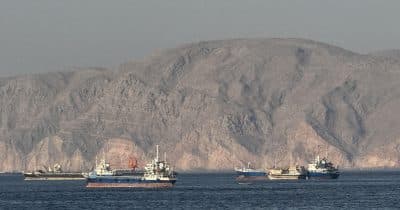
Iran's closure of the Strait of Hormuz amid escalating US tensions threatens global economic stability and energy market volatility. The article highlights how cryptocurrency-backed insurance mechanisms are emerging as potential hedging tools in response to geopolitical disruptions affecting traditional markets.
The Strait of Hormuz closure represents a critical geopolitical flashpoint with profound macroeconomic consequences. As one of the world's most strategically important waterways, responsible for transporting roughly 20-30% of global seaborne petroleum, any disruption immediately threatens energy security and commodity prices. This latest escalation in US-Iran tensions creates cascading effects across global financial markets, triggering oil price spikes and increased risk premiums across asset classes.
The cryptocurrency sector responds to geopolitical instability differently than traditional markets. Bitcoin and blockchain-based assets historically serve as alternative value stores when conventional markets face uncertainty, particularly in regions experiencing capital controls or currency depreciation. The emergence of Bitcoin-backed insurance products reflects crypto's maturing infrastructure—these mechanisms allow market participants to hedge against tail risks and geopolitical shocks without relying on traditional insurance markets, which may themselves face solvency pressures during systemic crises.
For crypto investors and institutions, geopolitical volatility typically increases institutional demand for decentralized alternatives and non-correlated assets. Insurance products built on blockchain enable transparent, borderless coverage mechanisms that function independently of traditional banking systems. This development demonstrates cryptocurrency's practical utility beyond speculation.
Market observers should monitor oil price trajectories, USD strength, and correlation patterns between traditional assets and crypto markets. Sustained geopolitical tension could accelerate institutional adoption of blockchain-based risk management tools. The intersection of energy markets, traditional finance, and cryptocurrency infrastructure remains under-explored, presenting both opportunities and risks for sophisticated market participants.
- →Strait of Hormuz closure threatens global oil supplies and energy market stability
- →Geopolitical crises drive demand for non-traditional hedging mechanisms including cryptocurrency assets
- →Bitcoin-backed insurance represents evolving crypto infrastructure for institutional risk management
- →US-Iran tensions create macroeconomic volatility affecting multiple asset classes simultaneously
- →Blockchain-based insurance products offer borderless alternatives to traditional market mechanisms