
Iran’s IRGC Navy warns vessels to avoid Strait of Hormuz as closure escalates global tensions
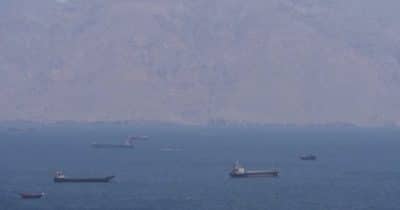
Iran's IRGC Navy has issued warnings to vessels regarding the Strait of Hormuz as geopolitical tensions escalate, with potential closure of this critical waterway. The disruption could destabilize global oil markets and increase cryptocurrency adoption as an alternative settlement mechanism in international trade.
The Strait of Hormuz represents one of the world's most critical chokepoints for energy security, with approximately 21% of global petroleum passing through its waters daily. Iran's IRGC Navy warnings signal heightened regional tensions that could restrict this vital passage, creating immediate macroeconomic uncertainty. The closure scenario carries severe implications for oil prices, inflation expectations, and currency stability across developed and emerging markets.
Geopolitical disputes over the Strait have persisted for years, but recent escalations reflect broader US-Iran tensions and regional power dynamics. Historical precedent shows that perceived threats to energy infrastructure trigger flight-to-safety responses in financial markets, with investors seeking alternative stores of value and settlement mechanisms resistant to geopolitical disruption.
Cryptocurrency markets typically benefit from macroeconomic instability and currency depreciation concerns. A sustained Strait closure could push oil prices sharply higher, accelerating inflation and currency debasement in affected economies—conditions that historically increase cryptocurrency adoption as a hedge and settlement tool in international trade. This is particularly relevant for nations subject to sanctions or seeking to circumvent traditional payment systems.
The intersection of energy security and cryptocurrency adoption represents an underappreciated market dynamic. Traders should monitor oil price volatility, emerging-market currency weakness, and regulatory responses to potential sanctions. The scenario also highlights crypto's practical utility beyond speculation: serving as frictionless settlement infrastructure during geopolitical disruptions when traditional financial channels face constraints or unreliability.
- →Strait of Hormuz closure threats drive oil market volatility and increase cryptocurrency hedging demand.
- →Geopolitical supply disruptions historically accelerate alternative settlement mechanism adoption.
- →Iran sanctions environment reinforces crypto utility for circumventing traditional payment restrictions.
- →Emerging-market currency weakness from inflation fears typically correlates with increased crypto inflows.
- →Energy security crises demonstrate cryptocurrency's practical value beyond speculative trading.