
Iran closes Strait of Hormuz, complicating US-Iran deal talks
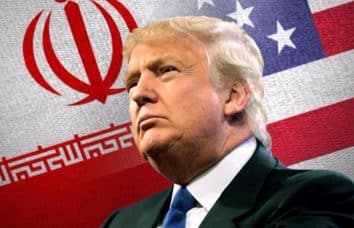
Iran has closed the Strait of Hormuz, a critical chokepoint for global oil trade, escalating geopolitical tensions and complicating ongoing US-Iran diplomatic negotiations. The closure threatens global energy supplies and trade flows, creating macroeconomic uncertainty that ripples across financial markets including cryptocurrency.
Iran's closure of the Strait of Hormuz represents a significant geopolitical escalation with immediate consequences for global markets. As one of the world's most critical maritime passages, the strait handles approximately 20-30% of global seaborne oil trade. This blockade signals a breakdown in diplomatic channels and suggests Iran is willing to weaponize energy infrastructure to exert pressure during negotiations. The move demonstrates how quickly geopolitical disputes can disrupt fundamental economic infrastructure that markets depend upon for stability.
The context for this action stems from longstanding US-Iran tensions, sanctions regimes, and failed negotiations over nuclear agreements. The closure doesn't emerge in isolation but reflects accumulated frustration and hardening positions on both sides. Historically, similar geopolitical crises have triggered sharp commodity price spikes and risk-off market behavior as investors flee volatile assets.
For cryptocurrency markets, this development carries mixed implications. Risk-averse capital typically rotates away from speculative assets during geopolitical crises, pressuring Bitcoin and altcoins. However, persistent inflation concerns from disrupted energy markets and potential monetary responses could support Bitcoin's narrative as an inflation hedge over longer timeframes. Oil price spikes directly impact global macro conditions, affecting central bank policy trajectories that influence liquidity conditions favoring or disfavoring risk assets.
Market participants should monitor negotiation developments, oil price movements, and broader geopolitical escalation indicators. Any military involvement or further blockades would materially worsen conditions. The situation remains fluid, and resolution speed will determine whether this becomes a sustained drag on risk assets or a temporary volatility event.
- →Iran's Strait of Hormuz closure threatens 20-30% of global seaborne oil trade, creating immediate energy market disruption.
- →Geopolitical crises historically trigger capital rotation from speculative assets like cryptocurrency toward safe havens.
- →Oil price spikes driven by supply constraints fuel inflation concerns that affect central bank policy and market liquidity.
- →The closure signals failed diplomatic efforts and suggests hardened positions unlikely to resolve quickly.
- →Crypto investors should monitor oil prices, geopolitical escalation indicators, and central bank responses as leading indicators.