
Iran shuts Strait of Hormuz again, sharply reducing shipping traffic
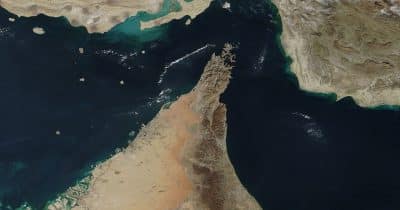
Iran has closed the Strait of Hormuz again, significantly reducing global shipping traffic through one of the world's most critical maritime chokepoints. This closure intensifies existing oil supply constraints and creates macroeconomic headwinds that reverberate through cryptocurrency and broader financial markets.
The Strait of Hormuz closure represents a critical geopolitical flashpoint with immediate economic consequences. Approximately 20-30% of global maritime oil trade flows through this narrow waterway between Iran and Oman, making any disruption a major supply shock. Iran's decision to restrict passage reflects escalating regional tensions and serves as both a political statement and potential economic leverage in ongoing diplomatic disputes. This action directly constrains oil availability in global markets, which historically correlates with inflationary pressures and shifts in investor risk sentiment.
This incident follows a pattern of escalating Iran-related disruptions in maritime commerce over the past several years. The Strait's strategic importance has made it a recurring flashpoint during periods of heightened US-Iran tensions, sanctions enforcement, and broader Middle East instability. Each closure or threat of closure creates uncertainty in energy markets and forces commodity traders to reassess supply chain assumptions.
Cryptocurrency markets respond to such geopolitical shocks through multiple mechanisms. Oil price spikes typically trigger inflation concerns, which can reduce appetite for risk assets including crypto. Additionally, supply chain disruptions and energy cost increases may impact the profitability of energy-intensive blockchain operations. Institutional investors monitoring macroeconomic indicators will likely adjust portfolio positioning, potentially creating volatility in crypto markets during the coming weeks.
Market participants should monitor whether this closure persists or escalates further, as extended disruptions could trigger significant oil price movements with cascading effects across risk assets. Regulatory responses and international diplomatic initiatives will shape the duration and ultimate impact of this supply shock.
- →Strait of Hormuz closure reduces global oil supply, potentially triggering inflation concerns that affect risk asset valuations including crypto
- →Iran's action represents escalating geopolitical tensions that create macroeconomic uncertainty affecting broader financial markets
- →Energy-intensive blockchain operations face higher operating costs if oil prices spike due to supply constraints
- →Cryptocurrency volatility typically increases during geopolitical shocks as institutional investors reassess risk exposure
- →Monitoring diplomatic developments and sanctions enforcement will be critical for assessing the closure's duration and market impact