
Iran closes Strait of Hormuz in response to US attacks, sending oil and crypto markets into turmoil
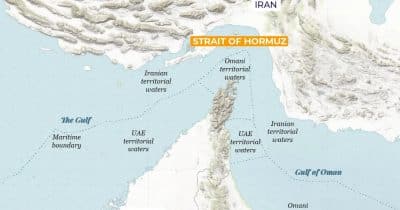
Iran has closed the Strait of Hormuz in response to US military actions, triggering significant volatility across energy and cryptocurrency markets. The geopolitical escalation raises questions about crypto's potential role as a hedge against traditional market disruptions caused by international conflicts.
The closure of the Strait of Hormuz represents a critical geopolitical flashpoint with immediate macroeconomic consequences. As one of the world's most crucial chokepoints for global oil trade, any disruption threatens energy supply chains and triggers inflationary pressures across global markets. This escalation between Iran and the US adds to existing geopolitical tensions and demonstrates how military conflicts can rapidly destabilize traditional financial systems.
Historically, oil price shocks correlate with broader market volatility and currency devaluation in affected regions. The current situation echoes previous geopolitical crises that have prompted investors to seek alternative stores of value and payment mechanisms outside traditional financial infrastructure. Cryptocurrency markets have experienced increased institutional interest during periods of currency instability and sanctions, positioning digital assets as potential hedges against geopolitical disruption.
The immediate market impact includes crude oil price spikes, which typically precede inflationary pressures and portfolio reallocation. Investors facing energy market uncertainty may increase cryptocurrency allocations as diversification strategies. For crypto markets, geopolitical crises traditionally generate both flight-to-safety volatility and sustained demand from regions facing capital controls or currency debasement.
Looking ahead, the duration and escalation trajectory of this conflict will determine whether crypto adoption accelerates as geopolitical infrastructure. Markets will closely monitor whether additional sanctions emerge, whether the strait remains closed, and how traditional financial institutions respond to energy supply disruptions. Extended instability could validate crypto proponents' thesis that decentralized networks provide resilience against geopolitical risk.
- →Strait of Hormuz closure disrupts global oil supplies and triggers broader financial market volatility
- →Geopolitical crises historically accelerate cryptocurrency adoption in affected regions and among institutional investors
- →Energy market instability directly impacts inflation expectations and cross-asset portfolio rebalancing
- →Crypto markets face both short-term volatility and potential long-term demand from new use cases as geopolitical hedges
- →Duration of the conflict will determine whether this becomes a catalyst for sustained crypto infrastructure adoption