
Iran closes Strait of Hormuz, casting doubt on US blockade lift
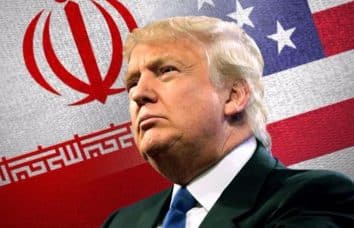
Iran has closed the Strait of Hormuz, a critical global shipping chokepoint, creating uncertainty around potential US sanctions relief negotiations. The closure threatens to disrupt oil markets and geopolitical stability, with cascading effects on energy prices and macro risk sentiment that could influence cryptocurrency valuations.
Iran's closure of the Strait of Hormuz represents a significant escalation in regional tensions with far-reaching economic consequences. The Strait handles approximately 20-30% of global seaborne oil trade, making it one of the world's most strategically vital waterways. This action directly contradicts expectations of easing US-Iran relations and undermines confidence in potential sanctions lifting that had been anticipated in diplomatic circles. The move signals hardened Iranian positions and suggests deteriorating prospects for near-term geopolitical de-escalation.
This development occurs within a broader context of US-Iran tensions spanning nuclear negotiations, regional proxy conflicts, and economic sanctions. Previous blockade threats and closure attempts have served as leverage points in diplomatic negotiations, though the permanence of the current closure remains unclear. The historical pattern shows these actions often precede either military confrontation or negotiated settlements, creating profound uncertainty for policymakers and markets.
Cryptocurrency markets typically respond negatively to geopolitical crises that increase macroeconomic uncertainty and risk-off sentiment. Oil price spikes resulting from Strait closure fears drive inflation expectations, strengthening the Federal Reserve's inflation-fighting stance and potentially dampening risk appetite for speculative assets like crypto. Additionally, energy-intensive sectors including crypto mining face cost pressures from elevated oil prices, though crypto's inverse correlation with traditional risk assets during geopolitical stress varies contextually.
Investors should monitor whether this closure persists or represents tactical posturing. Sustained closure or military escalation would likely trigger broader market volatility, pushing capital toward safe havens and potentially suppressing cryptocurrency valuations. Resolution through diplomatic channels could rapidly reverse sentiment and risk positioning.
- →Iran's Strait of Hormuz closure disrupts ~25% of global seaborne oil trade, directly threatening energy markets and macro stability.
- →The move contradicts expectations of US sanctions relief, signaling hardened Iranian positions and delayed diplomatic resolution.
- →Rising oil prices from geopolitical crisis typically trigger risk-off sentiment that pressures cryptocurrency valuations and speculative assets.
- →Crypto mining operations face elevated energy costs from oil price spikes, impacting operational margins across the industry.
- →Market impact depends on whether closure is temporary posturing or sustained escalation; diplomatic resolution could rapidly reverse sentiment.