
Iran threatens permanent closure of Strait of Hormuz amid US blockade
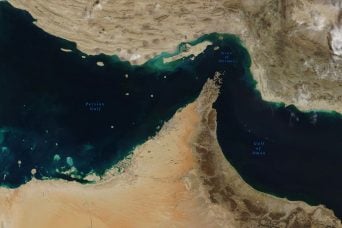
Iran has threatened to permanently close the Strait of Hormuz in response to US blockade actions, raising concerns about global oil market destabilization, increased military conflict risks, and deteriorating US-Iran relations. This geopolitical escalation could have significant implications for energy prices and broader macroeconomic stability.
The threat to close the Strait of Hormuz represents a dramatic escalation in US-Iran tensions. The Strait remains one of the world's most critical energy chokepoints, with approximately 20% of global oil passing through it daily. Iran's threat to permanently block this waterway signals a willingness to use its geographic leverage as a negotiating tool or retaliatory measure against perceived US economic warfare through blockades.
This tension stems from ongoing US sanctions against Iran and the broader geopolitical conflict in the Middle East. The cycle of escalation—US sanctions, Iranian counter-threats, and heightened military posturing—has characterized relations for years. However, permanent closure rhetoric suggests Iran may be adopting a more confrontational stance rather than seeking negotiated resolution.
For crypto and traditional markets, Hormuz threats create significant volatility vectors. Oil price spikes directly impact inflation expectations, which influence both equity and cryptocurrency valuations. Bitcoin and other digital assets often move inversely to oil during supply-shock scenarios, as markets reassess growth prospects. Additionally, geopolitical risk premiums typically increase during such standoffs, potentially supporting haven assets and increasing overall market uncertainty.
Investors should monitor several indicators: actual military incidents in the Strait, OPEC responses, crude oil futures movements, and any diplomatic developments. While threats alone rarely translate to permanent closures due to global economic consequences for all parties, temporary disruptions remain plausible. Risk management becomes essential as energy market volatility may cascade into broader portfolio impacts.
- →Iran's Strait of Hormuz closure threat creates significant global oil supply risk affecting energy prices and inflation expectations.
- →20% of global oil transit through the Strait makes this chokepoint critical to macroeconomic stability and crypto market sentiment.
- →Geopolitical escalation typically increases volatility across crypto markets as investors reassess growth and risk scenarios.
- →Permanent closure remains unlikely due to mutual economic damage, but temporary disruptions pose real operational risks.
- →Crypto markets may benefit from safe-haven demand during sustained geopolitical uncertainty and inflation concerns.