
Iran claims draft deal grants control over Strait of Hormuz, $12B asset access
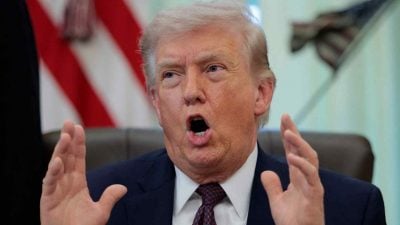
Iran claims a draft agreement would grant it control over the Strait of Hormuz and access to $12 billion in frozen assets, potentially escalating regional tensions. This development could disrupt global trade flows and create volatility in energy markets, with indirect implications for cryptocurrency markets sensitive to geopolitical risk.
Iran's assertion regarding control of the Strait of Hormuz represents a significant geopolitical claim with far-reaching economic consequences. The Strait serves as a critical chokepoint for global oil trade, with approximately 21% of petroleum passing through it annually. If Iran gains leverage over this vital waterway, it could weaponize energy supply chains and create uncertainty in commodity markets that historically correlate with cryptocurrency volatility.
This situation emerges from decades of U.S.-Iran tensions, nuclear negotiations, and sanctions regimes. Previous iterations of diplomatic efforts, including the Joint Comprehensive Plan of Action (JCPOA), have shaped current negotiations. The $12 billion asset access claim suggests frozen Iranian funds held internationally may be part of negotiations, reflecting attempts to resolve long-standing financial disputes.
For cryptocurrency and financial markets, geopolitical escalation typically drives investors toward safe-haven assets and alternative stores of value. Bitcoin and other cryptocurrencies often experience increased institutional interest during periods of sanctions, capital controls, or currency devaluation. If Iran gains greater leverage in international negotiations, it could strengthen the narrative around decentralized finance as a hedge against traditional geopolitical risk.
Market participants should monitor whether this claim translates into formal agreements or escalates tensions further. Energy price spikes would likely accompany any genuine threat to Strait security, potentially triggering risk-off sentiment across risk assets. Conversely, successful diplomatic resolution could ease energy concerns and reduce perceived need for alternative value stores.
- →Iran claims a draft deal would grant control over the Strait of Hormuz, a critical global oil trade chokepoint.
- →Potential disruption to energy markets could increase volatility in asset classes sensitive to geopolitical risk, including cryptocurrency.
- →The $12 billion asset access component suggests frozen Iranian funds are part of ongoing diplomatic negotiations.
- →Cryptocurrency markets may benefit from increased safe-haven demand if regional tensions escalate or sanctions intensify.
- →Investors should monitor whether claims translate into formal agreements or diplomatic breakdowns.