
Iran proposes control over Strait of Hormuz in new US deal
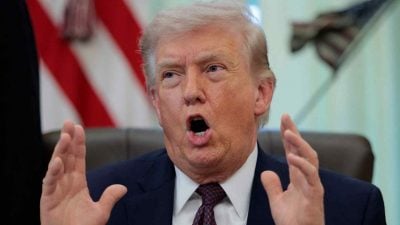
Iran has proposed gaining control over the Strait of Hormuz as part of a potential new deal with the United States. This proposal could significantly reshape geopolitical dynamics in the Middle East, with major implications for global energy markets and regional stability.
Iran's proposal to control the Strait of Hormuz represents a significant escalation in geopolitical negotiations with the United States, with far-reaching consequences for global energy security. The Strait of Hormuz is one of the world's most critical chokepoints for oil and liquefied natural gas transit, with approximately 20-30% of global petroleum passing through its waters daily. Any shift in control or influence over this strategic waterway could dramatically affect energy prices and supply chain stability worldwide.
This proposal emerges from decades of U.S.-Iran tensions, including sanctions regimes, nuclear deal negotiations, and regional military posturing. The context includes previous tensions over tanker seizures and drone incidents in the strait, indicating escalating brinkmanship between the two powers. Iran's willingness to formalize control as a negotiating point suggests either increased confidence in its military capabilities or desperation to leverage its geographic advantage in broader deal-making.
For cryptocurrency and financial markets, geopolitical uncertainty historically increases volatility and can drive capital toward safe-haven assets. Energy price spikes resulting from strait control tensions could accelerate inflation concerns, potentially affecting macroeconomic conditions that influence crypto valuations. Traditional energy markets would face immediate pressure, with oil price premiums likely if negotiations falter or military tensions intensify.
Investors should monitor ongoing U.S.-Iran negotiations closely. Any agreement granting Iran enhanced strait control could reshape energy markets fundamentally, while military escalation could trigger risk-off sentiment across asset classes including cryptocurrency. The coming weeks will be critical in determining whether diplomatic resolution emerges or tensions escalate further.
- →Iran's Strait of Hormuz control proposal could disrupt 20-30% of global oil transit flows if implemented
- →Geopolitical escalation typically increases cryptocurrency market volatility and flight-to-safety dynamics
- →Energy price spikes from regional tensions could amplify inflation concerns affecting broader asset valuations
- →Successful U.S.-Iran negotiations could paradoxically stabilize markets despite concessions to Iranian interests
- →Continued military posturing in the strait without diplomatic resolution poses systemic risk to global energy security