
Iran asserts control over Strait of Hormuz, impacting global energy supplies
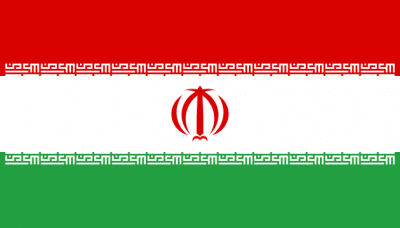
Iran's assertion of control over the Strait of Hormuz threatens to disrupt global energy supplies and reshape geopolitical alliances. This development carries significant implications for energy markets, which in turn affect cryptocurrency valuations and macro asset correlations.
Iran's control over the Strait of Hormuz represents a critical geopolitical flashpoint with cascading consequences for global markets. The Strait handles approximately 20-30% of the world's maritime oil trade, making Iranian actions a direct lever on global energy prices and supply chain stability. This assertion of control stems from ongoing regional tensions, sanctions regimes, and broader strategic competition in the Middle East.
Historically, threats to the Strait have triggered immediate energy price volatility. Previous incidents involving tanker seizures or military confrontations have sent crude prices surging within hours. The current situation reflects deteriorating diplomatic relations and Iran's strategy of leveraging its geographic position as a negotiating tool against Western sanctions and economic pressure.
For cryptocurrency and digital asset markets, energy-related geopolitical crises create dual pressures. Higher oil prices increase inflation expectations, potentially benefiting Bitcoin as an inflation hedge but pressuring risk assets like altcoins. Simultaneously, energy costs directly impact mining profitability, particularly for proof-of-work networks. Macro investors tracking correlation patterns between commodities and crypto will monitor crude price movements closely.
Market participants should watch for escalation signals: actual chokepoint disruptions, insurance rate spikes for tanker traffic, or coordinated regional military responses. These events typically precede 5-15% crypto market movements as traders reassess macroeconomic conditions and safe-haven positioning. Energy price stability directly influences institutional crypto adoption timelines and operational economics for mining operations.
- →The Strait of Hormuz handles 20-30% of global maritime oil trade, making Iranian control a critical energy supply lever.
- →Geopolitical tensions in the Middle East create direct price transmission channels to cryptocurrency markets through inflation expectations.
- →Higher energy costs reduce mining profitability for proof-of-work blockchains, potentially affecting network security and asset valuations.
- →Crude oil price spikes from supply disruptions typically correlate with 5-15% movements in risk assets including cryptocurrencies.
- →Traders should monitor chokepoint disruption signals and tanker insurance rates as early indicators of market volatility.