
Iran advances control over Strait of Hormuz despite US warnings
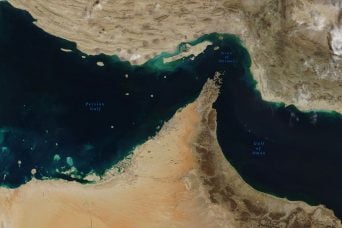
Iran is expanding its control over the Strait of Hormuz amid escalating US warnings, raising concerns about potential disruptions to global oil supplies and maritime commerce. This geopolitical development carries significant implications for energy markets and could trigger volatility in cryptocurrency and traditional asset markets tied to oil prices and risk sentiment.
Iran's advancing control over the Strait of Hormuz represents a critical geopolitical flashpoint with far-reaching economic consequences. The Strait serves as one of the world's most strategically vital chokepoints, with approximately 20-30% of global maritime oil trade transiting through it daily. Any disruption to this passage threatens energy security worldwide and directly impacts crude oil pricing, which influences inflation expectations and macroeconomic sentiment.
This development emerges within the broader context of US-Iran tensions that have intensified since the 2018 withdrawal from the nuclear deal, combined with regional instability in the Middle East. Iran's actions reflect both strategic positioning and domestic political considerations, while the US warnings signal Washington's commitment to maintaining freedom of navigation—a principle central to global trade stability.
For cryptocurrency and financial markets, geopolitical tensions affecting oil supplies create cascading effects. Rising oil prices increase inflationary pressures, which typically correlate with higher interest rates and reduced risk appetite. This environment historically pressures growth assets, including cryptocurrencies, while benefiting energy-linked equities and commodities. Bitcoin and altcoins often experience volatility during major geopolitical crises as investors reassess macro risk.
Looking ahead, market participants should monitor escalation indicators: military incidents, shipping disruptions, or formal US interventions would signal material market impact. Any tangible restrictions on oil flow would immediately spike energy prices and trigger risk-off positioning across digital assets. The situation remains fluid, requiring continuous assessment of both diplomatic developments and market correlations.
- →Iran's Strait of Hormuz control threatens 20-30% of global seaborne oil trade, directly impacting energy prices and market stability
- →Geopolitical tensions typically trigger risk-off sentiment, creating headwinds for cryptocurrencies and growth assets
- →Oil price spikes resulting from supply disruptions increase inflation concerns and support central bank rate-hike expectations
- →Crypto markets historically exhibit volatility during major Middle East crises due to macro risk reassessment
- →Investors should monitor military incidents and shipping reports as early indicators of market-moving escalation