
Iran introduces law to control Strait of Hormuz transit amid US blockade
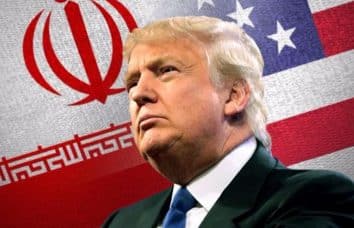
Iran has introduced legislation to control transit through the Strait of Hormuz amid escalating US sanctions and blockade measures. The move risks intensifying regional tensions and could disrupt global oil supplies, potentially affecting energy markets and cryptocurrency volatility in the near term.
Iran's legislative action represents a significant escalation in its response to US economic pressure, particularly sanctions targeting its oil exports and financial sectors. By asserting legal control over Strait of Hormuz transit, Iran signals willingness to weaponize one of the world's most critical chokepoints for global energy supply. Approximately 21% of global petroleum passes through this waterway daily, making any disruption consequential for worldwide markets.
This development emerges within the broader context of deteriorating US-Iran relations following the withdrawal from the 2015 nuclear deal and subsequent maximum pressure campaigns. Previous incidents, including tanker seizures and naval confrontations, established a pattern of escalatory responses. The legislative move formalizes Iran's position and reduces ambiguity about its intent to restrict passage if Western sanctions intensify further.
For cryptocurrency and traditional markets, oil price volatility directly influences inflation expectations and macroeconomic policy, which in turn affects risk asset valuations including digital currencies. Energy-related uncertainty typically triggers flight-to-safety behavior, potentially supporting Bitcoin's narrative as a non-correlated store of value during geopolitical crises. However, sustained oil disruptions could trigger stagflation fears, pressuring growth-sensitive crypto assets.
Investors should monitor whether this legislation translates into actual blockade attempts or remains a negotiating posture. Escalation triggers—such as further US sanctions or military deployments—could create sharp volatility across energy and crypto markets. The coming weeks will clarify whether diplomatic channels remain viable or if the region moves toward active confrontation.
- →Iran enacts Strait of Hormuz control legislation, raising risks to 21% of global daily petroleum supply.
- →Geopolitical escalation typically increases Bitcoin volatility as investors seek non-correlated assets during crises.
- →Oil price shocks from supply disruptions can trigger stagflation concerns, pressuring growth-dependent cryptocurrencies.
- →The legislation formalizes Iran's response to US sanctions and reduces negotiation ambiguity.
- →Watch for military escalation or actual blockade actions as key triggers for market volatility.