
Iran maintains Strait of Hormuz restrictions amid US tensions
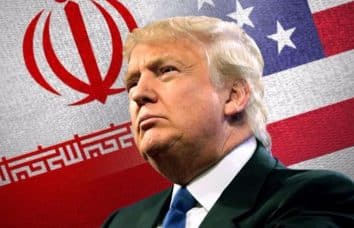
Iran continues to restrict shipping through the Strait of Hormuz amid escalating US tensions, a geopolitical development with significant implications for global energy markets. The strategic chokepoint controls approximately 20% of world oil transit, making Iranian actions a potential catalyst for oil price volatility and broader economic instability.
Iran's maintenance of Strait of Hormuz restrictions represents a continuation of its longstanding strategy to assert leverage in negotiations with Western powers, particularly the United States. The Strait handles roughly 20% of global petroleum trade, making it one of the world's most critical energy chokepoints. When Iran restricts or threatens shipping through this waterway, it directly impacts global oil supply dynamics and creates uncertainty in energy markets.
Historically, tensions over the Strait have escalated during periods of US-Iran diplomatic friction, particularly following the 2018 US withdrawal from the Joint Comprehensive Plan of Action (JCPOA) nuclear agreement. Iran has used shipping restrictions as both a negotiating tool and a demonstration of regional military capability. Previous incidents have involved seizures of foreign vessels and threats to commerce, actions designed to complicate international trade and pressure the US toward renewed diplomatic engagement.
For cryptocurrency and asset markets, geopolitical events affecting oil supplies trigger cascading effects across traditional finance. Higher oil prices increase inflation expectations, influencing Federal Reserve policy and interest rates—factors that directly affect cryptocurrency valuations and risk appetite among investors. Energy market uncertainty also creates volatility in equities and commodities, potentially driving capital flows between asset classes as investors rebalance exposure.
Market participants should monitor escalation indicators, including additional Iranian military exercises near the Strait, US naval movements, and statements from regional allies. Any actual blockade attempt or shipping incident could trigger sharp oil price spikes, with secondary effects on macroeconomic conditions that influence cryptocurrency market behavior.
- →Iran controls the Strait of Hormuz, through which approximately 20% of global oil passes, giving it significant geopolitical leverage.
- →Restrictions on the Strait historically correlate with elevated oil prices and increased macroeconomic uncertainty affecting all asset classes.
- →US-Iran tensions directly impact energy market volatility, which influences cryptocurrency valuations through broader risk-off sentiment.
- →Previous Iranian actions have included vessel seizures and shipping threats, escalation patterns worth monitoring for market implications.
- →Investors should track Strait security incidents as early warning signals for potential oil price shocks and portfolio rebalancing triggers.