
Iranian media reports only three ships transit Strait of Hormuz in 12 hours
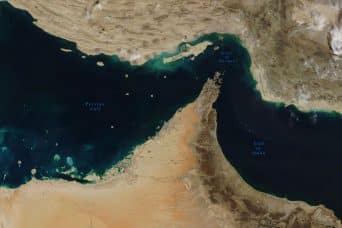
Iranian media reports a significant drop in maritime traffic through the Strait of Hormuz, with only three ships transiting in a 12-hour period. This dramatic reduction signals escalating geopolitical tensions that could disrupt global energy supplies and influence cryptocurrency and commodities markets.
The dramatic reduction in ship transits through the Strait of Hormuz—one of the world's most critical maritime chokepoints—reflects deepening geopolitical instability in the Middle East. Only three vessels passing through in 12 hours represents an unusually low volume, suggesting either deliberate Iranian restrictions, international shipping avoidance due to safety concerns, or broader regional conflict escalation. The Strait handles approximately 20-30% of global seaborne traded oil, making any disruption a systemic risk to energy markets.
This incident occurs within a context of recurring U.S.-Iran tensions, regional proxy conflicts, and periodic threats to maritime shipping in the Persian Gulf. Previous incidents involving ship seizures, drone attacks, and tanker incidents have conditioned markets to view Strait disruptions as tangible risks rather than theoretical scenarios. Each closure or slowdown creates uncertainty about energy availability and pricing.
For cryptocurrency and financial markets, Strait-of-Hormuz disruptions carry significant macroeconomic consequences. Oil price spikes driven by supply concerns typically trigger inflation expectations, central bank policy shifts, and broader asset repricing. Bitcoin and other risk assets have historically responded to geopolitical shocks affecting energy security and global trade. Energy prices directly impact mining operations and blockchain infrastructure costs, while macroeconomic volatility from supply chain disruptions influences capital flows into alternative assets.
Market participants should monitor whether this represents a temporary anomaly or the beginning of sustained transit restrictions. Sustained disruptions could trigger energy price volatility, inflationary pressures, and potential flight-to-safety dynamics affecting crypto valuations. The development bears watching as a potential catalyst for broader market movements beyond traditional energy sectors.
- →Strait of Hormuz transit volume dropped dramatically to only three ships in 12 hours, signaling escalating geopolitical risk
- →The chokepoint handles 20-30% of global seaborne oil trade, making disruptions a systemic macroeconomic threat
- →Energy supply disruptions can trigger oil price spikes that influence inflation expectations and central bank policy
- →Cryptocurrency markets respond to geopolitical shocks affecting global trade, energy costs, and macroeconomic stability
- →Sustained shipping restrictions could drive capital reallocation toward alternative assets including crypto