
Strikes on US ships in Strait of Hormuz amid Iran war crisis
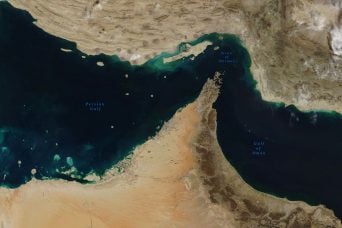
Maritime tensions in the Strait of Hormuz have escalated with strikes on US ships, raising concerns about disruptions to global energy trade and potential impacts on US-Iran diplomatic negotiations. The crisis threatens oil supply stability, which historically influences cryptocurrency valuations and macroeconomic volatility.
The Strait of Hormuz represents one of the world's most critical chokepoints for energy commerce, with roughly 20% of global oil passing through its narrow waters daily. Strikes on US vessels signal a dangerous escalation in US-Iran hostilities, moving beyond rhetorical posturing into direct military engagement. This development carries substantial implications for global energy markets, as any sustained disruption to shipping could trigger oil price spikes that ripple through equity and commodity markets.
Geopolitical tensions in the Middle East have historically created macroeconomic uncertainty that benefits safe-haven assets, including Bitcoin and other cryptocurrencies. However, the Strait of Hormuz crisis differs from typical geopolitical events because oil supply disruptions directly impact inflation expectations and central bank monetary policy. A prolonged energy crisis could accelerate stagflationary pressures, complicating the Federal Reserve's policy trajectory and creating headwinds for risk assets including cryptocurrencies.
For crypto markets specifically, oil price volatility tends to correlate with broader financial stress periods. Energy shocks typically precede broader risk-off sentiment, as institutional investors reassess portfolio allocations. The timing matters significantly—if diplomatic efforts fail and tensions remain elevated, expect increased correlation between crude oil and cryptocurrency volatility. The broader investment community should monitor crude futures closely as a leading indicator for crypto market direction over coming weeks, as energy supply concerns reshape inflation expectations and real interest rate assumptions that underpin asset valuations across all classes.
- →US-Iran maritime confrontation in Strait of Hormuz threatens 20% of global oil supply flows
- →Oil supply disruptions typically trigger stagflationary pressures that increase cryptocurrency volatility
- →Safe-haven demand for Bitcoin may increase if geopolitical tensions persist beyond diplomatic resolution
- →Energy market shocks historically precede broader risk-asset selloffs, including crypto liquidations
- →Monitor crude oil futures as a leading indicator for macroeconomic stress and crypto market direction