
Iran manages Strait of Hormuz traffic, impacting global oil trade
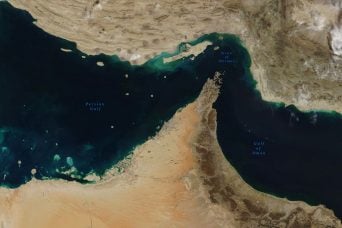
Iran's control of Strait of Hormuz traffic presents uncertainty for global oil markets, with prediction markets assigning low probabilities (9.5% and 13.5%) to normalized transit conditions by mid-June and end-May respectively. This geopolitical tension directly impacts energy prices, which influence cryptocurrency markets and macro investment sentiment.
The Strait of Hormuz represents one of the world's most critical chokepoints for energy security, with approximately one-third of seaborne oil passing through its waters daily. Iran's management of traffic through this strategic waterway creates immediate implications for global crude prices and energy stability. The prediction market odds—showing only 9.5% probability of normal traffic by June 15 and 13.5% for 20 ships transiting by May 31—suggest market participants expect continued disruptions or constraints rather than rapid normalization.
Historically, Strait of Hormuz tensions have triggered oil price volatility, creating downstream effects across financial markets. Previous incidents involving Iranian naval activities or sanctions-related shipping disruptions have caused crude futures to spike 5-15%, with ripple effects across equities and risk assets. Cryptocurrency markets, particularly sensitive to macroeconomic shifts and risk-off sentiment, often react sharply to energy supply disruptions that signal broader geopolitical instability.
For crypto investors and traders, sustained Hormuz tensions could drive inflation expectations higher if oil supplies tighten, potentially supporting hard assets like Bitcoin as inflation hedges while pressuring risk assets. The low probability figures in prediction markets suggest the market is pricing in either continued Iranian control limiting transit or escalating tensions preventing normal operations. Energy-linked market movements typically precede broader asset class rotations.
Monitoring shipping data, OPEC production statements, and Iranian rhetoric will be essential for anticipating secondary market impacts. If transit normalization fails to materialize by late May, expect heightened volatility across energy, equities, and cryptocurrency markets as participants reassess geopolitical risk premiums.
- →Prediction markets assign very low probabilities (9.5-13.5%) to normalized Strait of Hormuz traffic, indicating expected continued disruptions
- →Hormuz transit constraints directly impact global crude prices, which influence broader macroeconomic sentiment and risk asset performance
- →Cryptocurrency markets typically react to energy supply disruptions through inflation expectations and risk-off repositioning
- →Monitoring shipping data and Iranian activity through late May is critical for anticipating secondary market impacts
- →Sustained transit constraints could support hard asset valuations while pressuring broader equity and risk markets