
Iranian speedboats spotted in Strait of Hormuz, mine activity reported
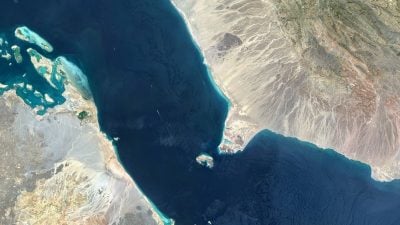
Iranian speedboats and reported mine activity in the Strait of Hormuz signal escalating geopolitical tensions that threaten global oil supply chains. Disruptions to crude shipments through this critical chokepoint could trigger commodity price volatility and broader market instability affecting crypto and traditional assets alike.
The Strait of Hormuz represents one of the world's most strategically vital waterways, with approximately 21% of global petroleum passing through its narrow channels daily. Iranian military activity in this region historically correlates with elevated geopolitical risk premiums across energy markets. When crude oil supply faces genuine disruption threats, downstream effects ripple through multiple asset classes, including cryptocurrency markets that often move inversely to traditional risk-off sentiment.
This incident reflects ongoing tensions between Iran and Western powers, particularly regarding sanctions regimes and regional naval operations. The combination of speedboat deployments and mine activity suggests deliberate escalation rather than routine military exercises, indicating heightened brinkmanship. Previous similar incidents in 2019 created temporary oil price spikes exceeding 15% and sparked flight-to-safety moves into alternative assets.
For crypto investors and markets, geopolitical events affecting global oil supply typically trigger two competing dynamics. Initial risk-off sentiment drives liquidity toward perceived safe havens, potentially benefiting Bitcoin as a store of value. Simultaneously, inflation concerns from supply-constrained energy markets can accelerate currency debasement narratives that support long-term crypto adoption thesis. Institutional traders monitor Strait tensions closely because energy price shocks historically precede broader macroeconomic disruption.
Market participants should track oil futures prices and shipping insurance costs as real-time indicators of disruption severity. Escalation beyond current posturing could force central banks toward reactive monetary policy, fundamentally altering asset valuations across risk spectrums. The next critical signal arrives when shipping companies announce route changes or when crude prices break established trading ranges.
- →Iranian military activity in Strait of Hormuz threatens approximately 21% of global daily oil shipments, creating potential commodity supply shocks.
- →Energy supply disruptions historically trigger cryptocurrency volatility through inflation expectations and flight-to-safety dynamics.
- →Oil price movements exceeding 15% from geopolitical events can force institutional portfolio rebalancing across asset classes including crypto.
- →Shipping insurance cost spikes and crude futures price action serve as leading indicators of actual supply chain disruption severity.
- →Extended supply chain stress could accelerate central bank monetary response, fundamentally reshaping crypto market valuations.